As Nigerians look ahead to the third quarter of 2026, attention is turning to the next public holiday on the national calendar.
Between July 1 and September 30, 2026, Nigeria has just one public holiday, Eid ul-Mawlid. The 2026 Eid ul-Mawlid celebration is tentatively expected to be observed on Wednesday, August 26.
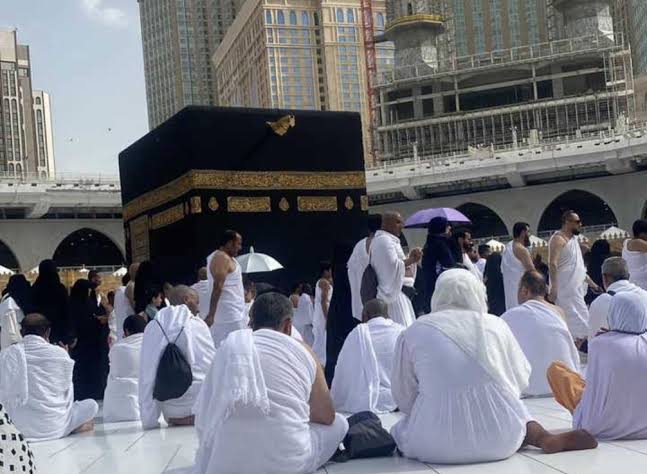
10 things about Eid ul-Mawlid celebration
1. Celebrations across the world;
Muslims around the globe commemorate Eid ul-Mawlid, although the way it is observed differs from one country to another. The occasion holds particular importance in nations with large Muslim populations, including Nigeria, Indonesia, Egypt, and Pakistan.
2. Date and significance;
Eid ul-Mawlid falls on the 12th day of Rabi’ al-Awwal, the third month of the Islamic lunar calendar. The occasion is dedicated to honouring the life, legacy, and teachings of Prophet Muhammad.
3. Remembering the Prophet;
Throughout Eid ul-Mawlid, Muslims reflect on the life of Prophet Muhammad, focusing on his compassion, kindness, and role as a spiritual leader. The celebration encourages believers to follow his teachings while pursuing personal growth and self-improvement.
4. Religious observances;
The occasion is marked with special prayers and religious gatherings centred on the life, virtues, and teachings of Prophet Muhammad.
5. Acts of charity;
Eid ul-Mawlid also places strong emphasis on generosity and compassion. Muslims use the occasion to support those in need by donating food, clothing, and money, reflecting the Prophet’s teachings on social justice and care for others.
6. Community gatherings;
In many communities, processions and parades are organised to commemorate the birth of Prophet Muhammad. These celebrations often feature music, recitations of Islamic poetry, and storytelling sessions highlighting significant moments from the Prophet’s life.
7. Educational programmes;
Islamic schools and religious organisations frequently organise educational programmes during Eid ul-Mawlid. These initiatives are designed to deepen understanding of the life and teachings of Prophet Muhammad among both Muslims and non-Muslims.
8. Feasting and hospitality;
As with many Muslim celebrations, Eid ul-Mawlid is observed with festive meals shared among family members, friends, and neighbours. Special dishes and sweet treats are prepared, while gifts and greetings are exchanged to mark the occasion.
9. Reflection and gratitude;
The celebration also provides an opportunity for Muslims to reflect on their faith, give thanks for the blessings in their lives, and reaffirm their dedication to living according to the values and principles taught by Prophet Muhammad.
10. Interfaith dialogue;
In some communities, Eid ul-Mawlid serves as a platform for fostering interfaith understanding. Events are organised to bring together people from different religious backgrounds, creating opportunities to learn about Islam and engage in meaningful dialogue.