The Chairman of Dangote Cement Plc, Emmanuel Ikazoboh, has shed light on the reasons behind the continued rise in cement prices across Nigeria.
He pointed to escalating energy expenses and the effect of foreign exchange rates on production costs as the primary drivers.
His explanation comes at a time when many Nigerians are voicing frustration over the sharp increase in the cost of building materials, urging the government to take action as expensive cement continues to slow construction activities and make housing development more costly.
Addressing shareholders during the 17th Annual General Meeting (AGM) of Dangote Cement Plc in Lagos, Ikazoboh stated that energy represents the largest single expense in cement production, accounting for roughly 60 per cent of the overall manufacturing cost.
Energy, dollar exchange rate driving costs
Ikazoboh explained that cement production depends heavily on energy generated from gas, coal and diesel.
He noted that gas, a major source of energy for manufacturers, is priced in United States dollars, leaving producers vulnerable to fluctuations in the foreign exchange market.
He further stated that the persistent weakening of the naira against the US dollar has pushed production expenses higher, making it increasingly difficult for manufacturers to keep cement prices at lower levels.
“To produce a bag of cement, we need energy, which constitutes about 60 per cent of the production cost. To generate that energy, we use gas, coal or diesel,” he said.
“Gas is sold to us in US dollars, and its price continues to increase. We all know the impact of the exchange rate between the dollar and the naira. As a result, the cost of generating energy keeps rising.”
His comments provide one of the most detailed explanations so far from the nation’s largest cement manufacturer regarding the reasons for the recent surge in cement prices.
Latest cement prices across Nigeria
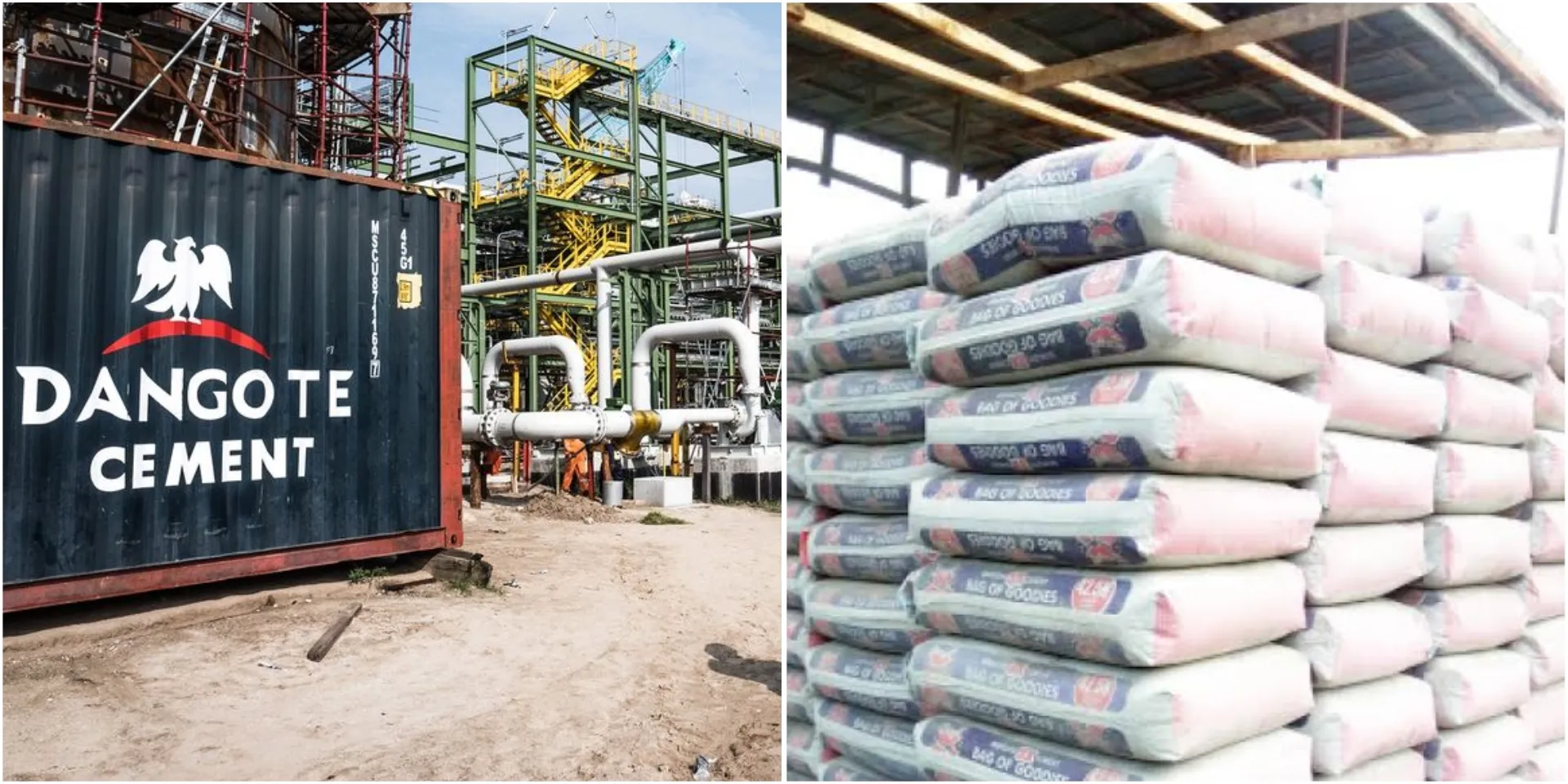
Market surveys conducted across key locations show that the retail price of a 50kg bag of cement currently falls between ₦9,500 and ₦13,000, depending on the brand, geographical location and individual dealer. In many parts of the country, Dangote Cement is being sold for between ₦10,000 and ₦12,500 per bag.
At the same time, BUA Cement and Lafarge Cement are generally priced between ₦8,500 and ₦10,500, although costs vary from one state to another because of transportation expenses, dealer markups and the distance from manufacturing facilities.
Customers in more remote areas may also pay higher prices due to increased logistics and distribution costs.
Nigerians lament rising cement prices.
The steady increase in cement prices continues to place a heavy burden on homeowners, contractors and property developers, many of whom have raised concerns over the rising cost of executing construction projects.
According to a report by The New Telegraph, industry experts say that, in addition to high energy costs, inflation, transport expenses, exchange rate instability and supply chain disruptions have all played a role in driving cement prices higher across the country.
Although there were expectations that greater domestic production would eventually help moderate prices, manufacturers maintain that prevailing macroeconomic challenges continue to increase their operating costs.
For the time being, buyers across Nigeria are likely to keep paying between ₦9,500 and ₦13,000 for a 50kg bag of cement unless there is a marked improvement in exchange rate stability, energy costs and the country’s broader economic environment.