Legendary jazz guitarist and vocalist James Blood Ulmer has died. The acclaimed musician passed away peacefully on Wednesday, June 3, at the age of 86.
Reports indicate that Ulmer died at the Upper East Side Rehabilitation and Nursing Centre in New York City.
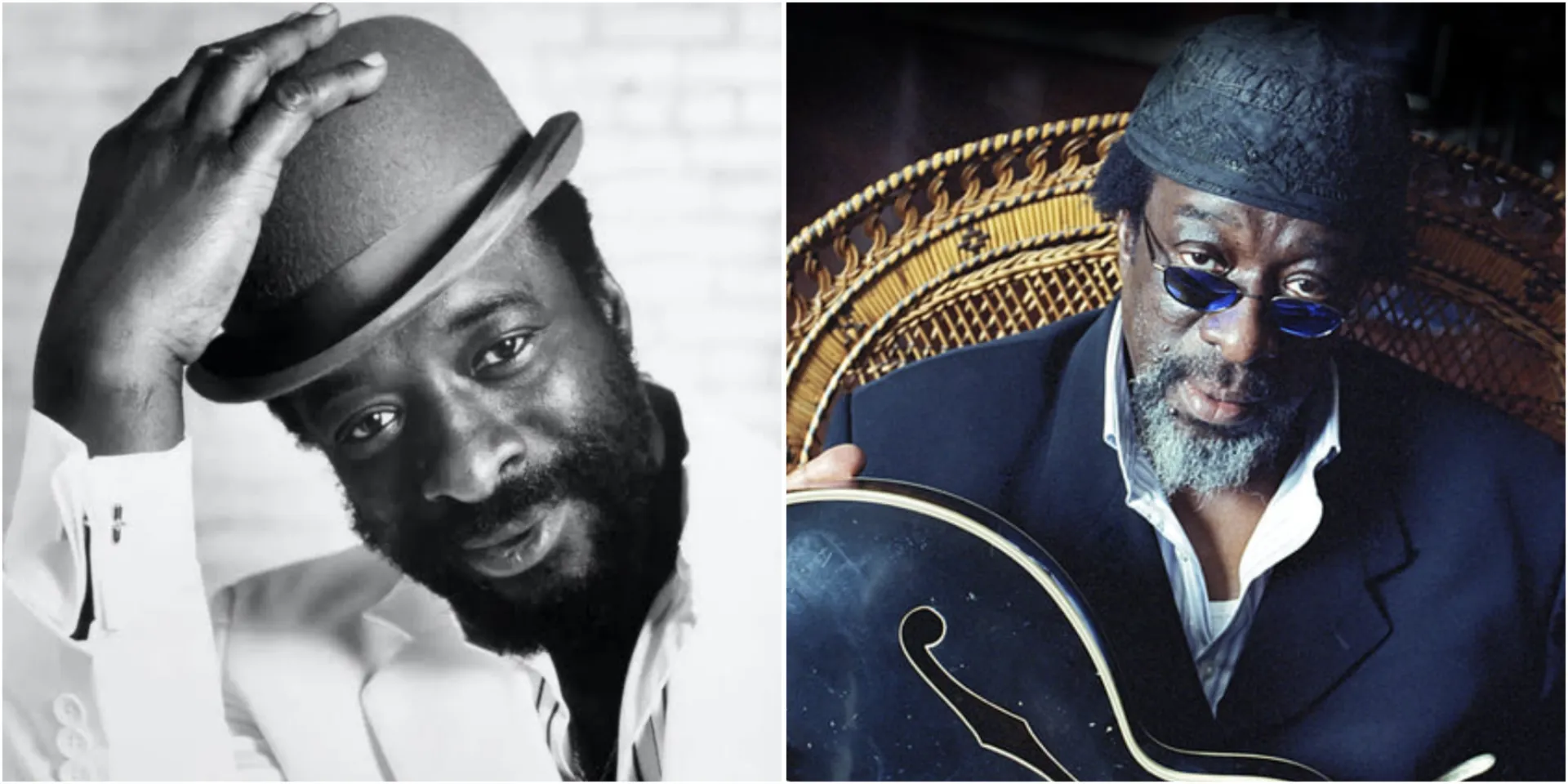
His family confirmed the heartbreaking news in an official statement, saying: “With deep sorrow and profound love, we announce the passing of James Blood Ulmer, a boldly innovative guitarist, singer, composer, and beloved family member.”
While the exact cause of death has not been disclosed, the artist had reportedly experienced worsening health in recent years. According to ExpressUK, his son, Mtume, revealed that Ulmer had been battling a prolonged illness.
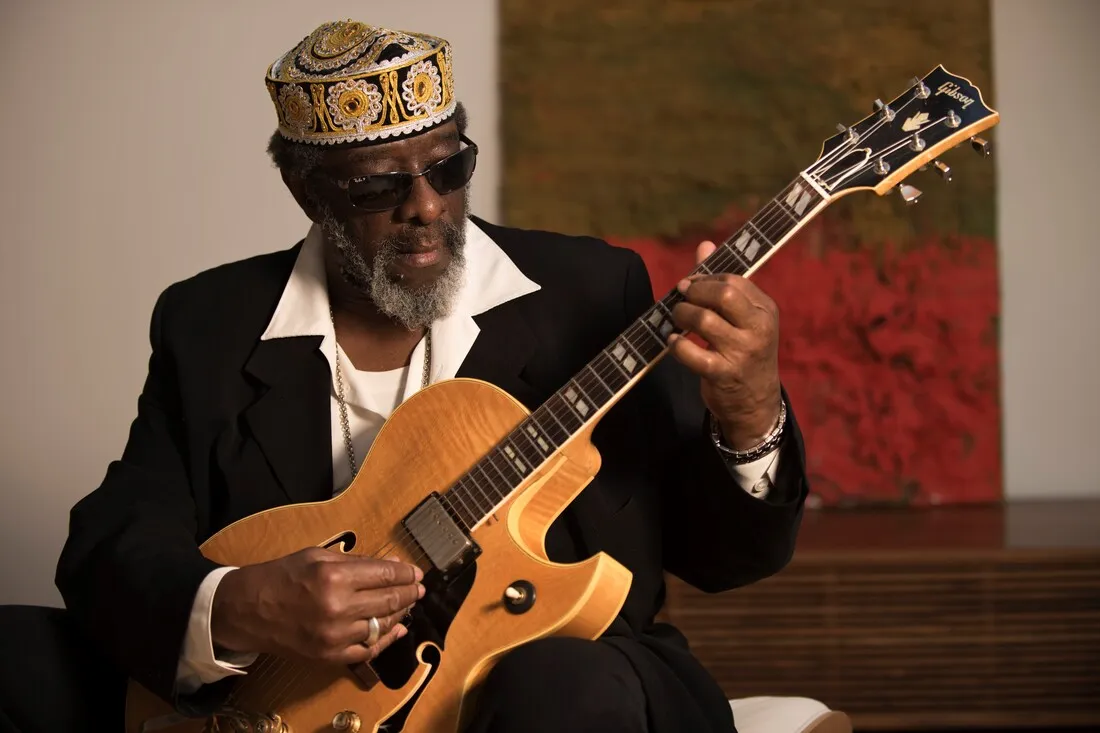
The veteran performer had largely stepped away from the stage due to his health struggles. His final live appearance took place on September 1 during the 2024 Detroit Jazz Festival, after which he officially retired from performing.
Ulmer’s death brings to a close a remarkable career that spanned nearly seven decades. His musical journey began in the late 1950s, when he performed with soul jazz groups in Pittsburgh, Pennsylvania, between 1959 and 1964.
He later continued his development as a musician with bands in the Columbus, Ohio, region from 1964 to 1967.
The influential American culture publication Rolling Stone once described him as “the most original electric guitarist to emerge since the late Jimi Hendrix”.
Born Willie James Ulmer in South Carolina in 1940, he built the foundations of his career performing with funk bands across Pittsburgh, Columbus, and Detroit, where he accompanied artists including Jewel Bryner and Hank Marr.
After relocating to New York in the early 1970s, Ulmer embraced a dramatically different artistic direction that would come to define his legacy.
Reflecting on that transformative period, he once said: “I ain’t never thought nobody could make no money playing free music,”
Ulmer once reflected: “So I always played structured blues, rhythm playing, dance music, or something like that. And I abandoned it! When I came to New York, it was like … I just went totally another way.”