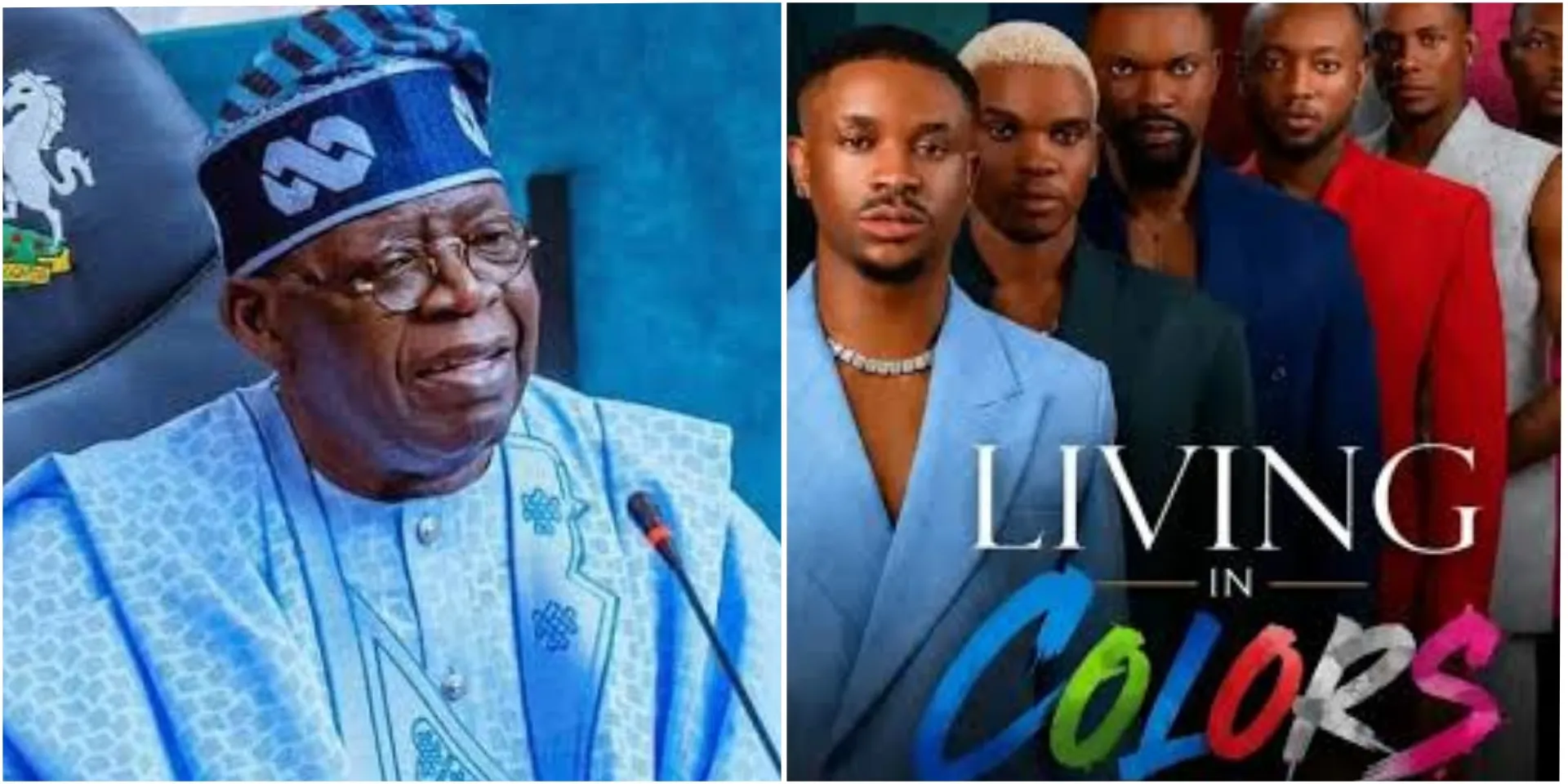
The National Film and Video Censors Board (NFVCB) has moved to prevent the planned Lagos premiere of the movie Living in Colors.
The regulatory agency said it discovered promotional materials advertising a media press call and premiere of the film, which was scheduled to take place at a cinema venue in Lagos this weekend.
According to the NFVCB, an initial review of the movie’s trailer raised concerns over what it described as explicit scenes and material promoting same-gender relationships.
The board also noted that Living in Colors had not been submitted for classification. It therefore maintained that promoting or publicly screening the movie without the required classification amounts to a violation of Nigeria’s film regulations.
NFVCB moves to stop Lagos screening
The censors board said it has enlisted the support of security agencies at both the federal and state levels as it works to identify the location and prevent the proposed premiere from going ahead.
The agency further disclosed that it had reached out to the management of the cinema facility expected to host the event, as well as other venue operators linked to the planned screening.
Cinema owners and other exhibition centres were reportedly warned against providing a platform for the movie. The NFVCB said any venue that hosts an unclassified film could face closure and the withdrawal of its operating licence.
Producers face legal action
Beyond stopping the Lagos premiere, the regulatory body disclosed that it is taking legal steps against Prism House Studio and the producers and promoters associated with the movie.
The NFVCB also issued a warning to filmmakers, online content creators, cinema operators and distribution platforms, urging them not to participate in the promotion, distribution or exhibition of the film.
The agency referenced provisions of the NFVCB Act and the Same-gender Marriage (Prohibition) Act as part of the legal basis for its action.
The development comes shortly before Living in Colors was expected to debut on YouTube on August 30.
The NFVCB said it would continue to enforce existing regulations governing film and video content in Nigeria, while also promoting what it described as the country’s moral and cultural values.