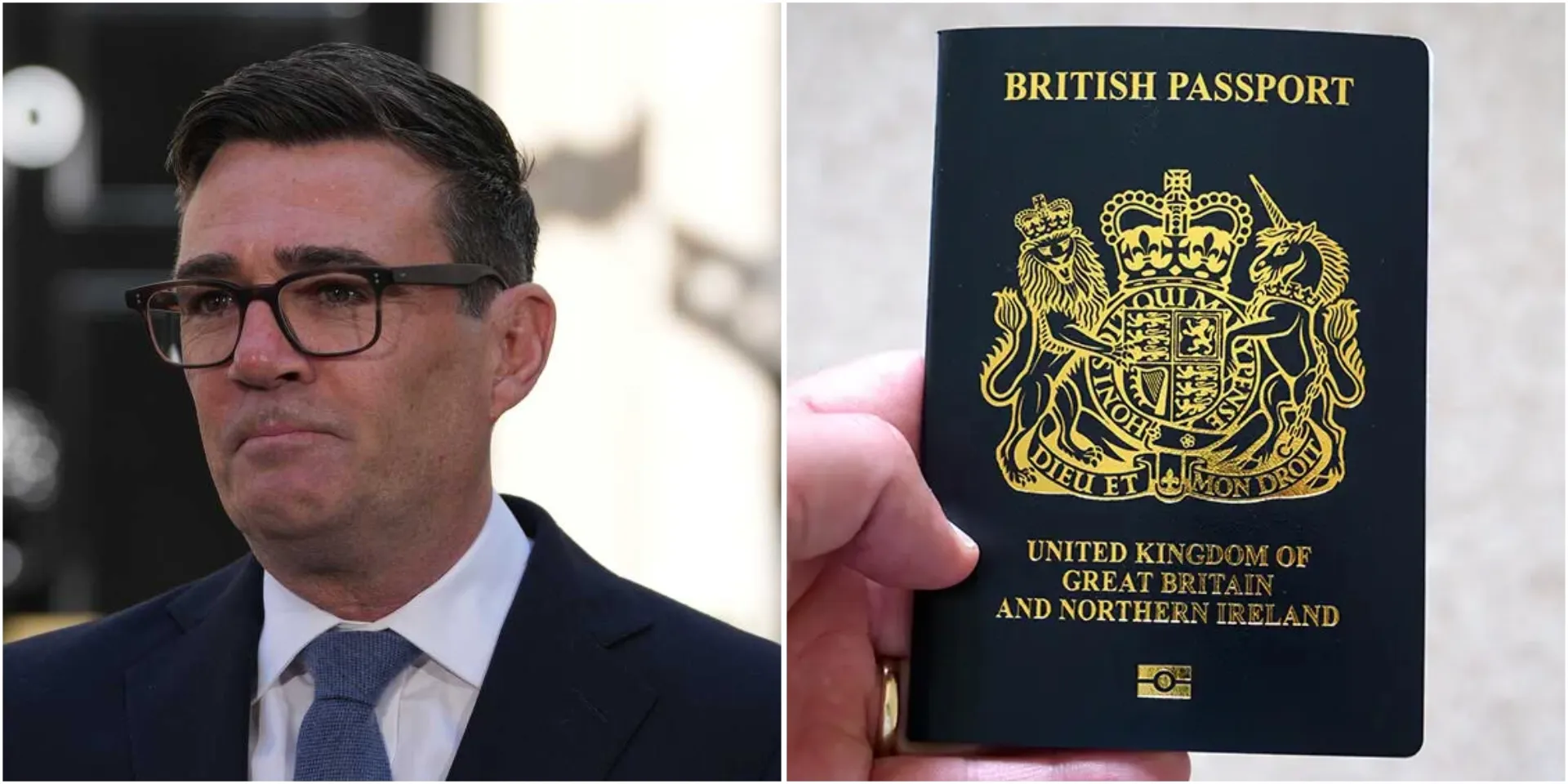
Holding British citizenship while also being a national of another country comes with a little-known restriction that could affect some dual citizens, particularly when they are in the country where they hold their second nationality.
Official guidance from the UK government explains that the limitation relates specifically to diplomatic and consular protection.
Under the UK government’s guidance on dual citizenship, British nationals who also hold citizenship of another country cannot rely on British diplomatic or consular assistance while they are physically present in that other country of citizenship.
What the UK’s policy means in practice
The government uses a simple example to explain how the rule operates. Someone who has both British and French citizenship would not be entitled to seek diplomatic assistance from the UK while staying in France.
In such circumstances, British authorities regard the individual as a citizen of France, meaning UK consular support would not be available to them.
This can become particularly significant in circumstances where people would normally turn to their embassy for help, including medical emergencies, legal problems, or cases involving a lost or stolen passport.
For British dual nationals who find themselves in their other country of citizenship, the usual protection offered by British diplomatic services is therefore unavailable.
Other key rules for British dual nationals
The guidance also sets out several other important provisions that apply to people with dual nationality. When travelling to the UK, dual citizens can use either a valid British or Irish passport, or a certificate of entitlement, to enter the country.
In certain circumstances, airlines or other carriers may allow a traveller to use an expired UK passport issued in 1989 or later, as long as they also possess a valid passport from a country whose nationals are eligible to obtain an Electronic Travel Authorisation.
However, British and Irish dual citizens are not eligible to apply for an ETA. The guidance further makes clear that marrying a British citizen does not automatically result in dual citizenship.
A foreign spouse is required to submit a separate application. Likewise, children born outside the UK do not automatically become British citizens, while whether they receive citizenship of the other country at birth depends on the nationality laws of that country.
The UK allows people to retain their existing nationality when they become British citizens. In the same way, British citizens who later become naturalised citizens of another country are not required by the UK to surrender their British citizenship or passport.
However, the same approach is not followed by every country. The UK government therefore recommends that anyone planning to acquire another nationality first check the relevant laws of that country directly with its consulate or embassy in the UK before submitting an application.