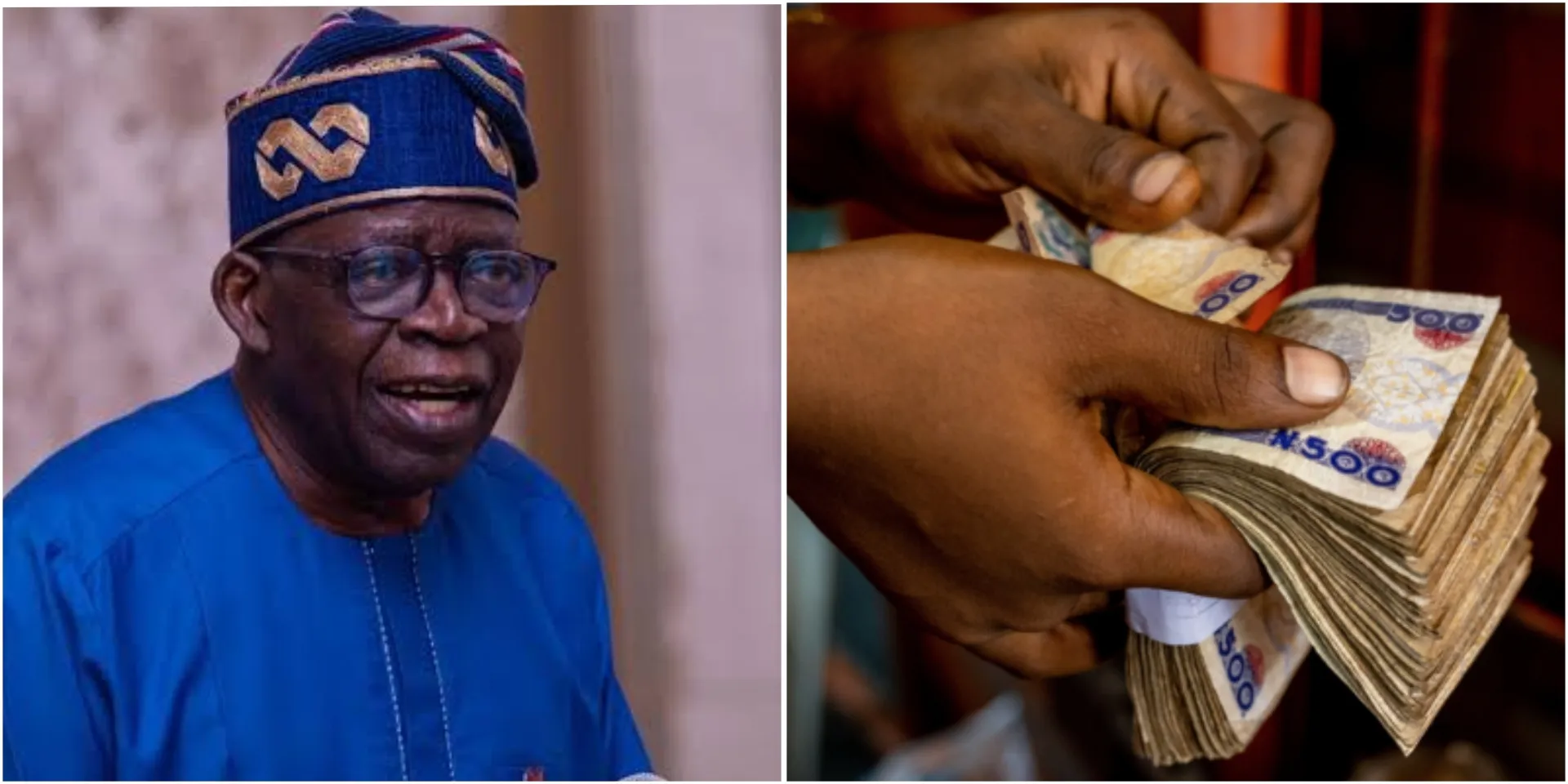
Nigerian families are facing renewed financial pressure after cooking gas marketers raised the price of Liquefied Petroleum Gas (LPG) to between N1,800 and N2,000 per kilogram across major cities, up from the previous average of N1,300 per kilogram.
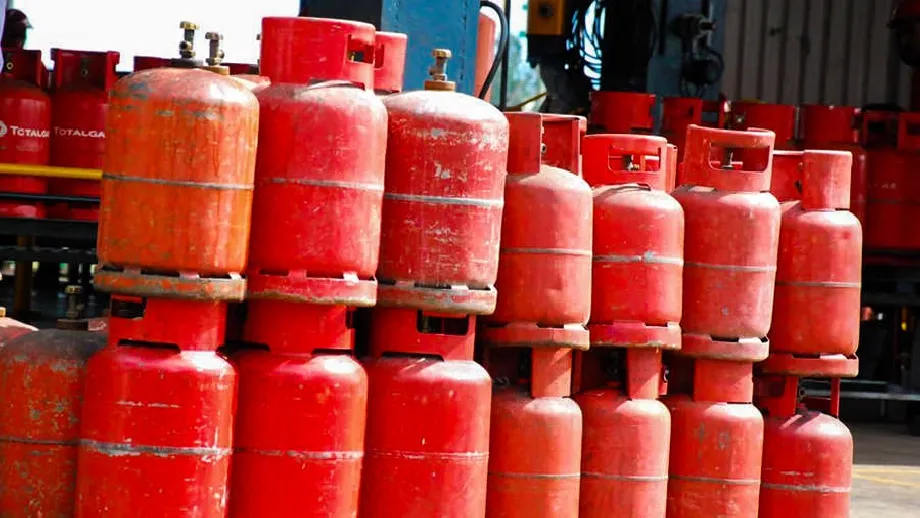
According to Daily Trust, the increase has pushed the cost of refilling a 12.5kg cooking gas cylinder to between N22,500 and N25,000 at depots and retail outlets in Lagos, Ibadan, Abeokuta, Ilorin, and Port Harcourt.
The development further compounds the economic challenges already confronting consumers amid rising food costs, transportation expenses, and persistent inflation.
Industry operators attributed the latest price hike to supply constraints, higher depot rates, and increasing logistics and operational expenses.
They noted that the surge in depot prices has left retailers with little choice but to adjust their selling prices in order to remain operational.
The increase comes only a few days after the Eid-el-Kabir celebrations, a period when many households typically consume more cooking fuel, placing additional financial pressure on families already struggling with higher gas costs.
Many consumers have expressed concerns that the persistent surge in LPG prices could push households to return to traditional cooking methods such as firewood and charcoal, undermining efforts to encourage the adoption of cleaner and safer energy sources.
At the same time, the Nigerian Association of Liquefied Petroleum Gas Marketers (NALPGAM) cautioned that the rising cost of cooking gas could hinder the country’s clean energy goals.
According to the association, marketers currently purchase 20 metric tonnes of LPG for between N25.2 million and N26.2 million, depending on location, with the added costs ultimately transferred to end users through retail prices.
Similarly, the Petroleum Products Retail Outlets Owners Association of Nigeria (PETROAN) attributed the recurring shortages and unstable pricing in the LPG market to insufficient competition.
The association urged authorities to further liberalise the sector to encourage greater participation and improve market stability.