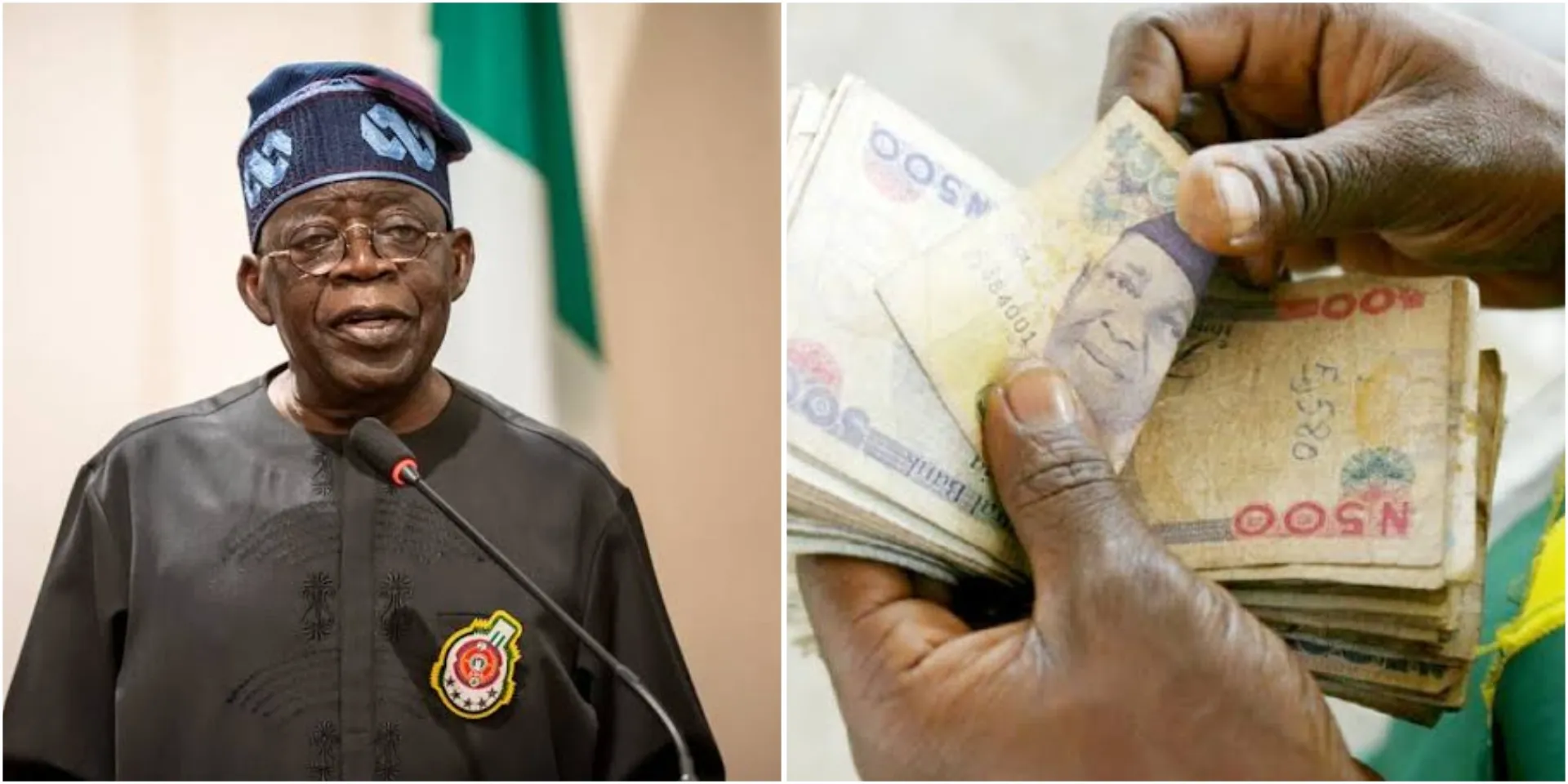
Rice farmers across Nigeria are raising serious concerns as a surge in imported rice continues to weaken local production, forcing prices down by as much as N13,000 per 50kg bag.
In interviews conducted in Lagos by News Agency of Nigeria (NAN) on Sunday, April 19, 2026, farmers described the industry as being under intense pressure following the Federal Government’s 2024 import duty waiver on rice and other essential goods.
What was introduced as a measure to reduce food prices has instead led to an influx of imports that local producers say is unsustainable for their survival.
Import Surge and Rising Costs Push Farmers to the Brink
The Acting Chairman of the All Farmers Association of Nigeria, Mr Sakin Agbayewa, painted a troubling picture of the situation.
He said:
“With the renewal of the import waiver, tonnes of rice are flooding in,” he said. “It’s crippling local cultivation and driving farmers out of business.”
According to him, the crisis is being worsened by other factors. Unpredictable weather conditions have reduced yields, while the ongoing Iran-Israel-US conflict has driven up global fertiliser prices, making production increasingly expensive.
He added:
“The average farmer would need to sell at N60,000–N65,000 per bag just to break even,” Agbayewa explained.
“But importers are bringing in 100,000 metric tonnes and selling at N40,000. How can we compete? Local production has dropped significantly, and without urgent capacity-building, the entire sector risks total collapse.”
“No Profit, Just Survival”: Farmers Call for Government Support
Lagos State Chairman of the Rice Farmers Association of Nigeria, Mr Raphael Hunsa, also expressed frustration over the current conditions facing farmers.
“Rice farming has become unpredictable,” he said.
He continued:
“Most of us are just managing. Many cannot even afford fertiliser, let alone break even. There is no enabling environment.”
Hunsa criticised the government for not delivering adequate support, noting that farmers are forced to sell at extremely low prices just to survive.
“After clearing land, planting and harvesting, importers still undercut us. Some farmers sell at rock-bottom prices just to feed their families. If the government truly supported us, importers would have no market.”
Market Reality: Traders Confirm Falling Prices
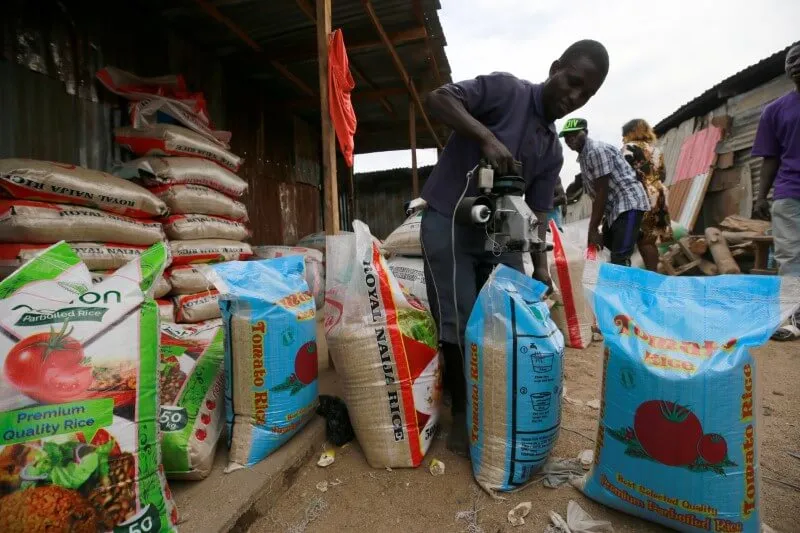
Rice trader Mrs Tolu Ajiboye at Agege Market confirmed that prices have dropped significantly in recent weeks.
Around the Easter period, a 50kg bag sold for between N61,000 and N63,000, but now goes for about N51,000 to N55,000, depending on the brand.
She said:
“Local rice doesn’t stand a chance,” she said. “Some producers have resorted to rebagging their rice in foreign sacks just to sell it. The market is flooded with cheaper imports, and for now, consumers are enjoying the affordability, but the future of our local farmers hangs in the balance.”
Uncertain Future for Nigeria’s Rice Industry
With the planting season approaching, many rice farmers are facing a difficult decision about whether to continue cultivation.
Without urgent intervention to support local producers, reduce input costs, and stabilise the market, stakeholders warn that Nigeria’s ambition for self-sufficiency in rice production could be at risk along with the livelihoods of thousands who depend on the sector.