David Clayton-Thomas, the powerful Canadian vocalist who fronted the iconic rock band Blood, Sweat & Tears, has passed away at the age of 84.
His publicist confirmed that he died peacefully in a Toronto hospital, though no cause of death was disclosed.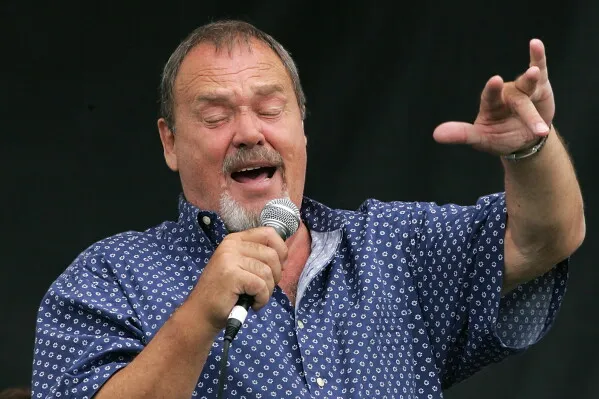
Born in England and raised in Toronto after World War II, Clayton-Thomas overcame a turbulent early life marked by homelessness and time behind bars before music became his path to redemption.
He first made his mark fronting David Clayton-Thomas and the Fabulous Shays in the 1960s before relocating to New York, where he joined the reformed Blood, Sweat & Tears and helped transform them into one of the most celebrated bands of their era.
The band’s breakthrough came with Spinning Wheel, a chart-topping hit written by Clayton-Thomas that reached number two on the US charts and earned three Grammy nominations, winning one.
Their debut album sold 10 million copies worldwide, remained on the US charts for 109 weeks and claimed five Grammy Awards. Other beloved hits included And When I Die and You’ve Made Me So Very Happy.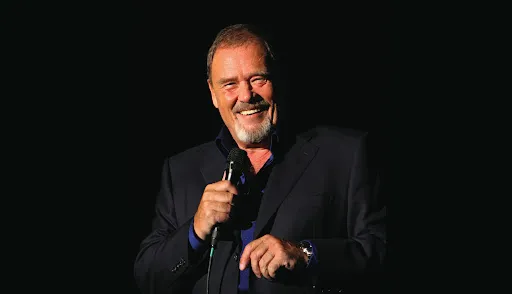
Reflecting on the band’s extraordinary chemistry, Clayton-Thomas once said:
“Blood, Sweat & Tears was such an unusual mix of people. We had guys in that band whose background was totally Juilliard… and then we had another faction like me who were basically saloon-trained rock and roll R&B Telecaster players.”
Music executive Clive Davis described him as a “staggering” musician, while Clayton-Thomas himself recalled the magic of his first rehearsal with the band:
“I don’t mean to sound arrogant, but yeah. The first time I walked in and sang with that band, we were in shock. It was one of those electrical things that happen.”
The relentless demands of fame eventually took their toll. He departed the band in 1972, saying:
“I kept it going as long as I could sanely and physically do it.”
He went on to release solo albums, establish a 10-piece band in Toronto and dedicate significant time to youth charities.
In 2010 he published his memoir, and in 2023 his story was revisited in the documentary What the Hell Happened to Blood, Sweat & Tears?, which explored the band’s controversial Cold War era tour.