
Thailand is grieving the loss of Princess Bajrakitiyabha, a widely admired member of the royal family, who has died after spending more than three years in a coma.
The princess, aged 47, passed away on Thursday evening, the royal household announced in an official statement.
Her passing brings to a close a deeply emotional ordeal that began in December 2022 when she unexpectedly collapsed while out exercising with her dogs.
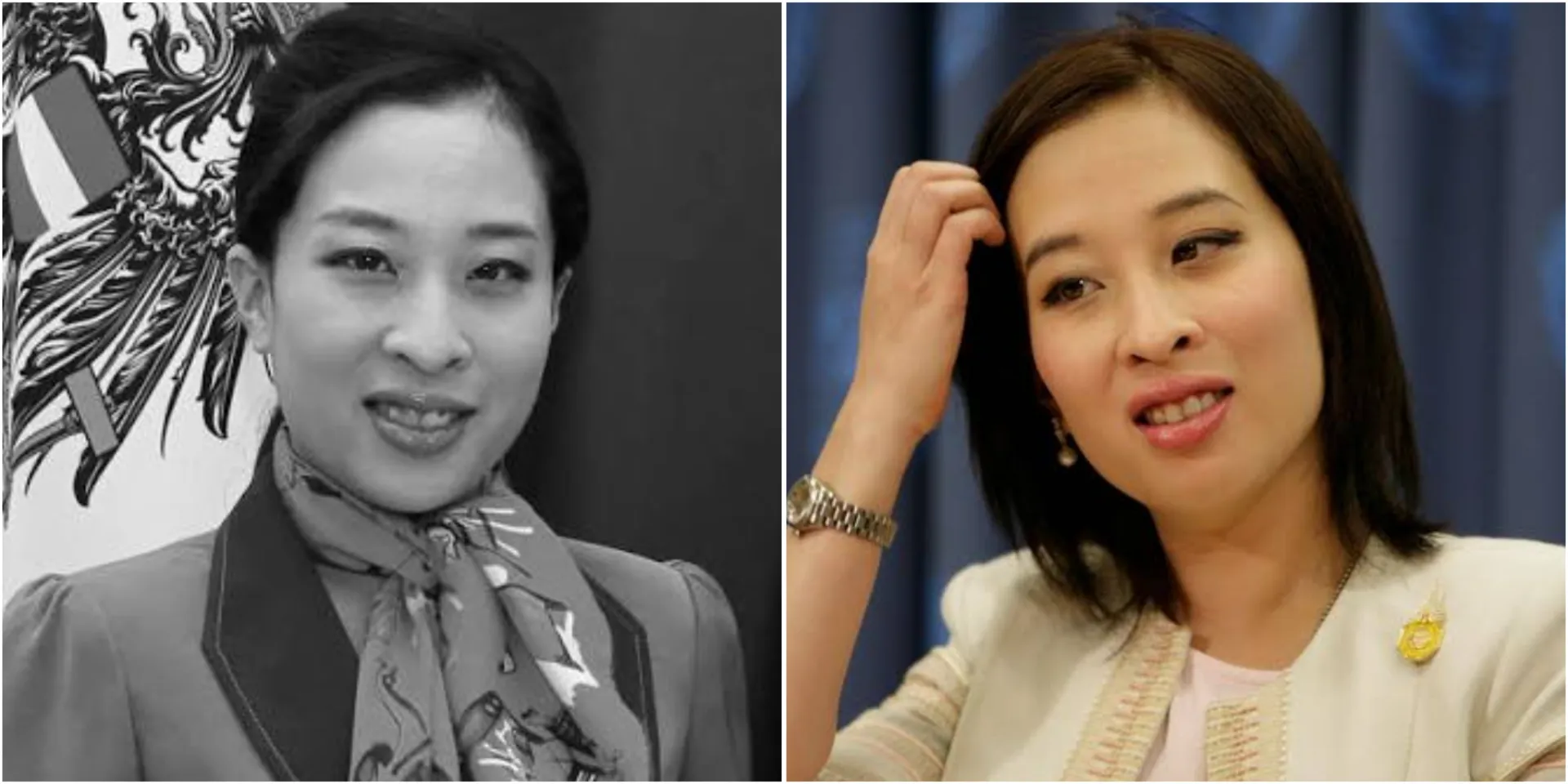
According to the BBC, medical experts later disclosed that she had experienced a serious cardiac incident caused by a mycoplasma infection that affected her heart. The condition left her unconscious, and despite extensive treatment efforts, she never regained consciousness.
Bajrakitiyabha’s Struggle For Her Life
The news of Princess Bajrakitiyabha’s collapse in 2022 sparked widespread concern throughout Thailand and drew attention from people around the world.
Beyond her position within the monarchy, she was recognised for her commitment to public service and her energetic, active lifestyle. The royal household stated that medical specialists worked tirelessly to stabilise her condition and oversee her long-term care.
Despite those efforts and years of dedicated treatment, her health steadily deteriorated.
The palace stated: “The medical team provided the closest and most intensive care possible, but her condition continued to decline progressively,”
Her death was confirmed at Chulalongkorn Hospital, where she had remained under medical supervision throughout her treatment.
For many citizens, Princess Bajrakitiyabha embodied a modern and accomplished face of the monarchy. She was academically distinguished, having earned a postgraduate law degree from Cornell University in the United States.
Her professional achievements extended far beyond traditional royal responsibilities. She held a position with Thailand’s Attorney-General’s office before going on to represent the nation as ambassador to Austria.
During her time in diplomacy, she forged meaningful relationships with international institutions and developed a strong interest in criminal justice reform.
Among the causes she championed most passionately was improving conditions for incarcerated women and promoting more equitable treatment for vulnerable prisoners.
She later took on the role of ambassador for the United Nations Office on Drugs and Crime, where she used her platform to advocate for reforms within Thailand’s justice system.