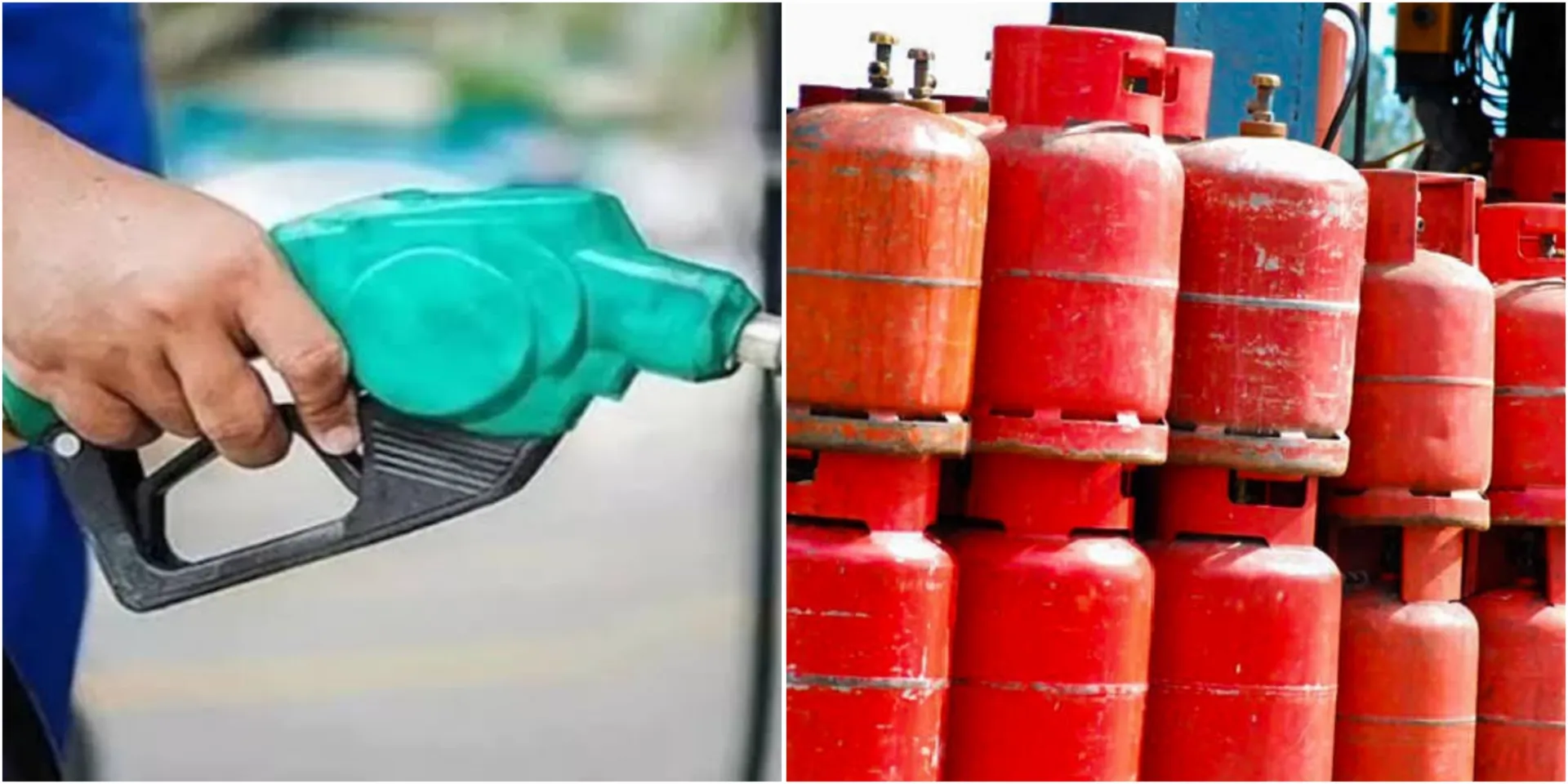
The landing cost of imported petroleum products into Nigeria, including Premium Motor Spirit (PMS), also known as petrol, and liquefied petroleum gas (LPG), widely used as cooking gas, has recorded a notable decline.
The drop is raising renewed expectations that energy prices across the country could ease in the coming weeks.
Fresh data from the Major Energy Marketers Association of Nigeria (MEMAN) indicates that the cost of importing fuel into the country has now fallen below the ex-depot prices being offered by the Dangote Refinery.
The development comes at a time when petroleum marketers are said to have imported fuel cargoes worth approximately N279 billion.
The imports are aimed at strengthening supply in the domestic market while also taking advantage of falling global crude and refined product prices, according to a report by Punch.
MEMAN’s daily energy bulletin, published on June 10, 2026, showed that the landing cost of petrol has dropped to N1,190 per litre. This is lower than the N1,250 per litre ex-depot price reportedly charged by the 700,000 barrels-per-day Dangote Refinery, creating a gap of N60 per litre.
The bulletin further revealed that imported diesel now lands at about N1,178 per litre. This is significantly cheaper compared to the Dangote Refinery’s reported price benchmark of N1,700 per litre.
Cooking gas prices also see sharp drop
Liquefied petroleum gas (LPG) also recorded a substantial reduction in landing costs, a development that has sparked expectations of possible relief for households grappling with high energy expenses.
According to MEMAN, the landing cost of LPG has fallen to N950,000 per metric tonne. Based on this figure, the projected retail price of cooking gas is estimated at about N925 per kilogramme.
This stands in contrast to the N1,410 per kilogramme reportedly sold by Dangote Refinery. However, despite the decline in import costs, many consumers across the country are yet to experience any meaningful relief at retail level, as cooking gas prices remain elevated in several urban centres.
Retail prices are currently as high as N2,400 per kilogramme in some locations, while larger distributors average around N1,800 per kilogramme.
Consumers still waiting for relief
Even with the noticeable reduction in landing costs, petrol prices at filling stations across Nigeria have remained largely unchanged at elevated levels.
Market checks indicate that petrol still sells for around N1,360 per litre at several major outlets, including stations operated by the Nigerian National Petroleum Company Limited and various independent marketers.
The ongoing gap between landing costs and pump prices has continued to raise concerns among consumers, many of whom are already struggling with rising inflation and increasing living expenses.