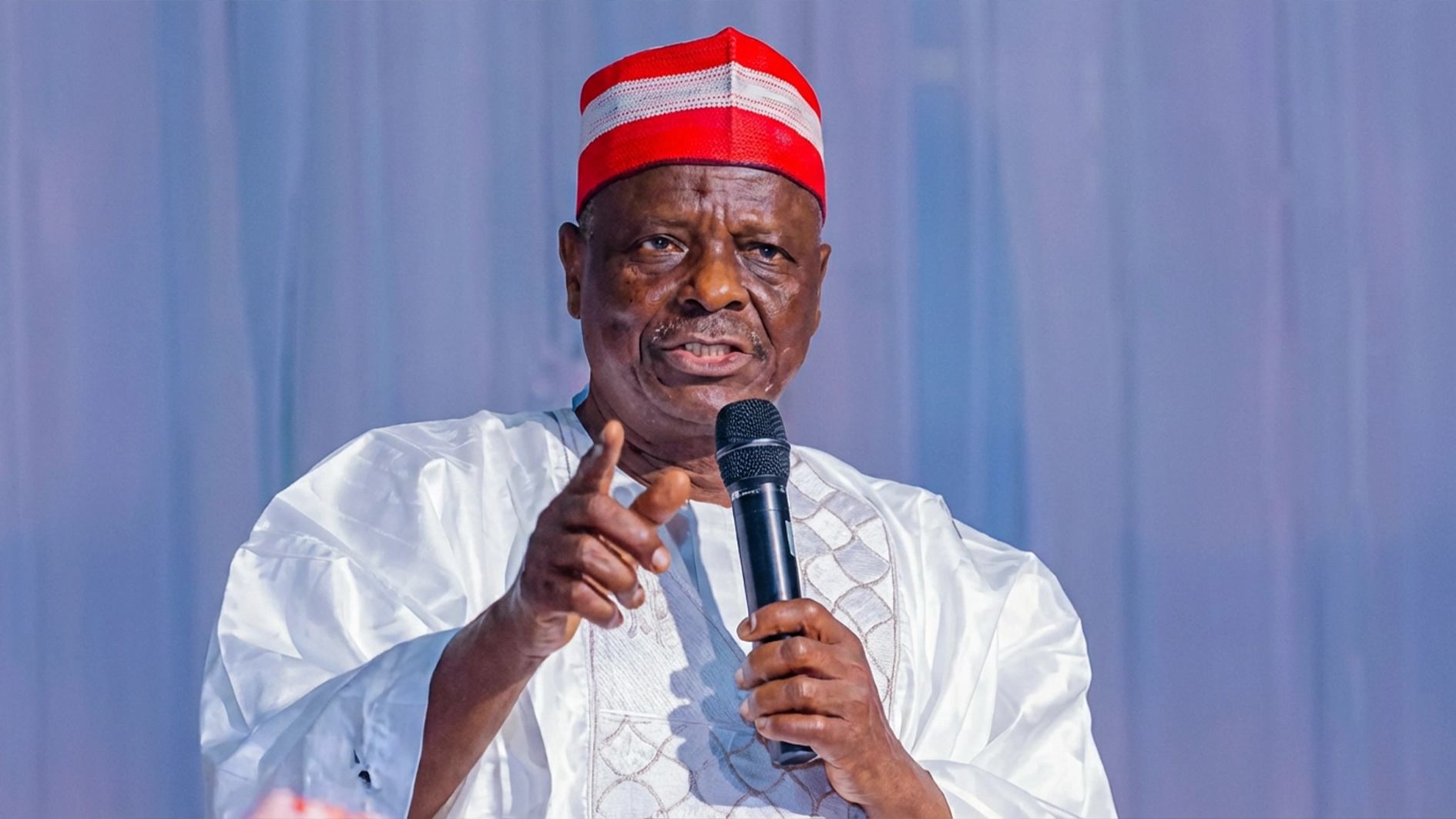
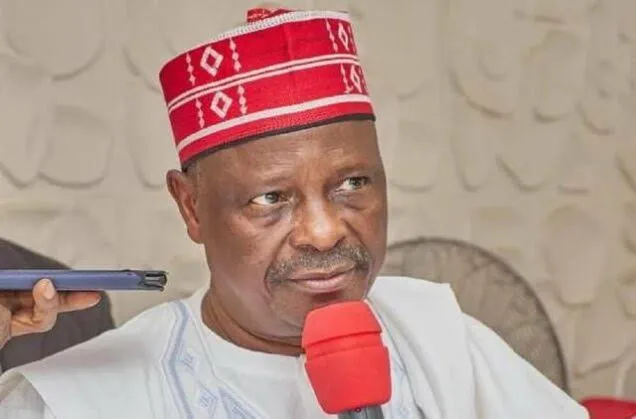
Former Kano State Governor, Rabiu Musa Kwankwaso, is reportedly considering leaving the Nigeria Democratic Congress (NDC).
There have been escalating disagreements over the party’s candidate selection process in Kano State ahead of the 2027 general elections.
The dispute is linked to recent modifications introduced by the party to implement a previously agreed 60/40 power-sharing formula between the Kwankwasiyya movement and the NDC’s existing political structure.
Party explains candidate changes
A statement endorsed by the Kano State NDC Chairman, Hon. Hussaini Isah Mairiga, revealed that a number of candidates earlier submitted by the party had been substituted in line with the agreed allocation formula.
Under the arrangement, 60 percent of available positions are reserved for members of the Kwankwasiyya bloc, while the remaining 40 percent go to the party’s established structure.
The document, which was also forwarded to the party’s national leadership, stated that the adjustments were made to preserve harmony within the party and ensure compliance with the agreed sharing arrangement.
Despite that explanation, the changes have reportedly generated frustration among supporters of Kwankwaso, who are said to be unhappy with how the agreement was carried out.
Members of his camp have raised concerns about what they view as a breach of confidence during the implementation of the arrangement.
Several strategic electoral positions are affected by the updated list, including federal constituency and state assembly tickets in Kumbotso, Nassarawa, Kano Municipal, Dala, Tarauni, and Dawakin Kudu.
Meanwhile, in a separate development that underscored efforts to strengthen opposition forces, NDC presidential candidate Peter Obi recently unveiled Kwankwaso as his running mate for the 2027 presidential election.
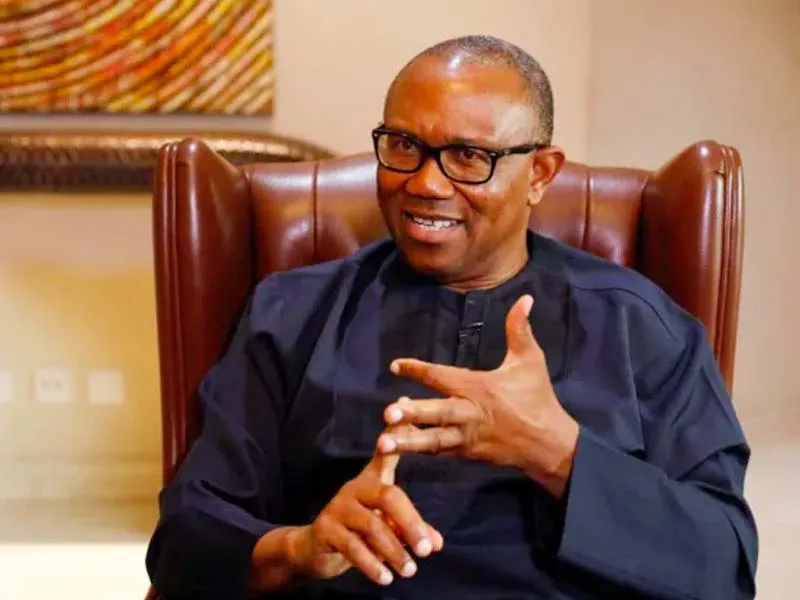
The announcement was widely interpreted as a significant step toward building a united opposition front.
Commenting on the situation, a party source familiar with the ongoing dispute said, “The issue is not just about numbers, but about trust and respect for agreements reached by all stakeholders.”
As the disagreement continues to unfold, attention is increasingly turning to its potential impact on the opposition alliance, with many observers questioning whether the coalition can maintain cohesion as political activities ahead of the 2027 elections gather momentum.