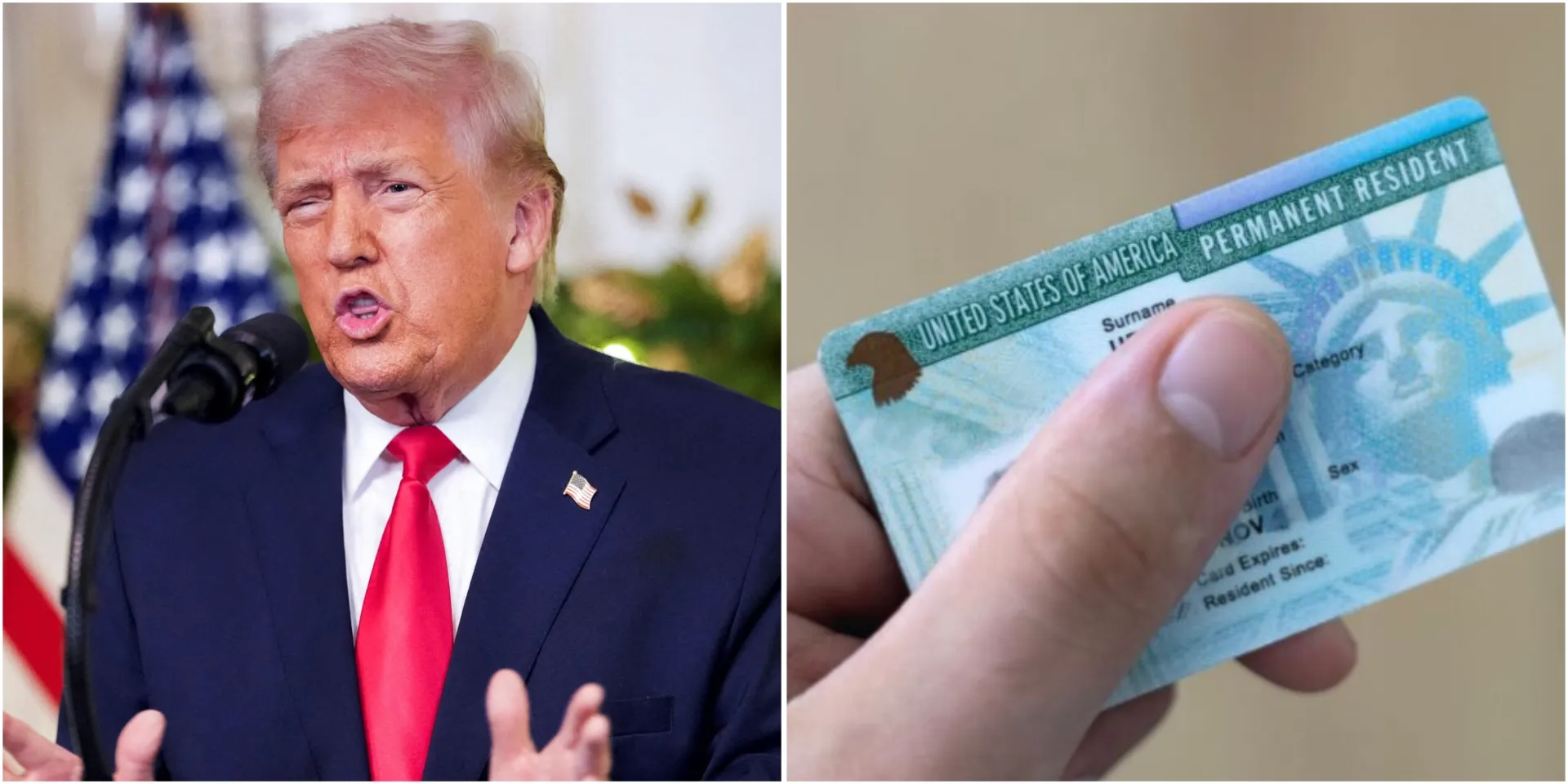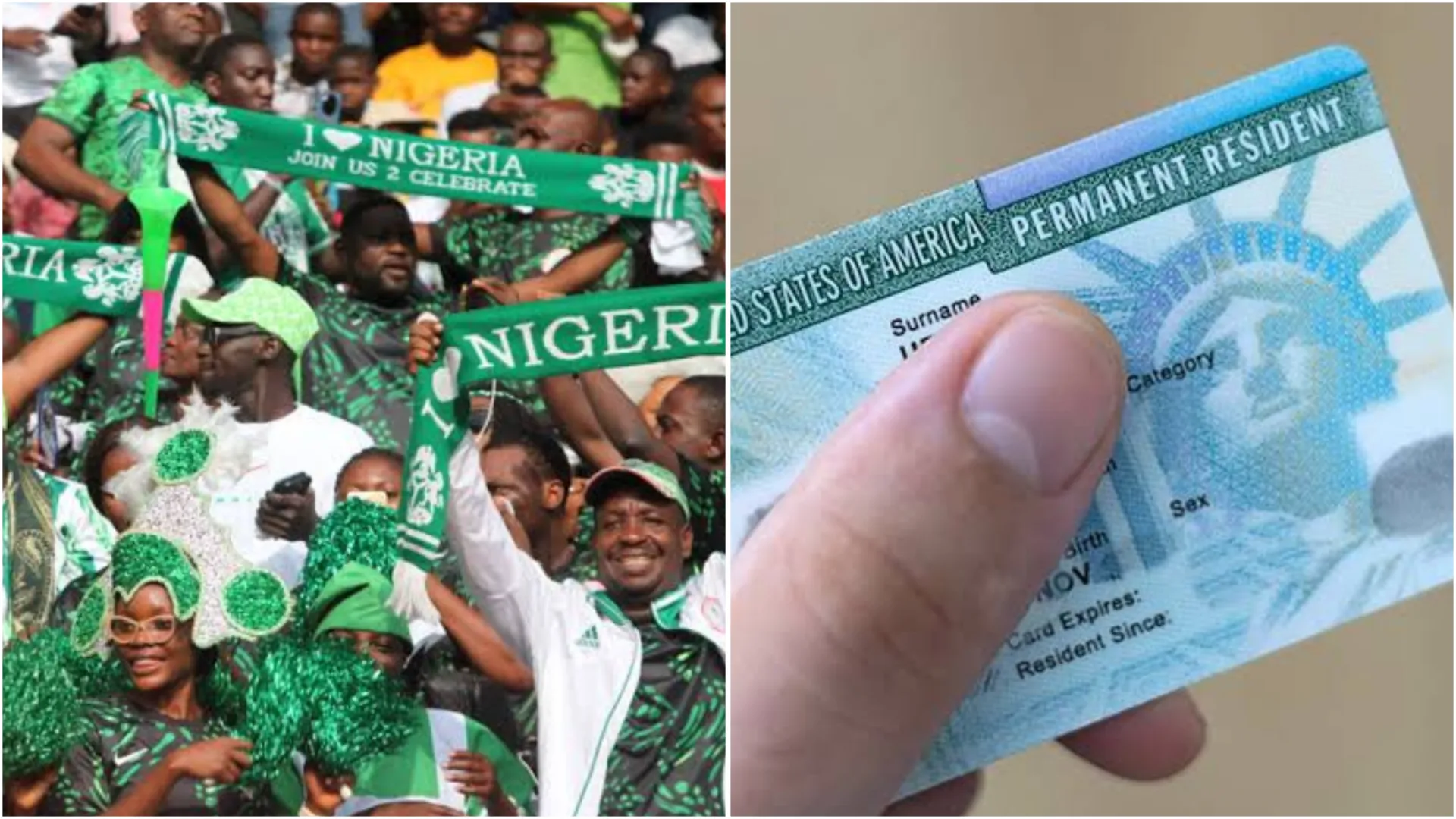
For many Nigerians residing in the United States, obtaining permanent residency has long been a challenging process marked by numerous obstacles.
That process became even more difficult on May 21, 2026, when the Department of Homeland Security (DHS) issued a new policy memorandum affecting immigration procedures.
The development follows the implementation of Presidential Proclamation 10998, which had already imposed restrictions on visa access for Nigerian citizens.
According to PUNCH, the latest memorandum does not alter existing immigration laws. Section 245 of the Immigration and Nationality Act (INA), which provides a pathway for eligible foreign nationals already living in the United States to adjust their status, remains unchanged.
However, the major shift lies in the way immigration officers are now directed to exercise discretion when evaluating applications. As a result, Nigerians seeking permanent residency are expected to satisfy more demanding requirements than before.
The implications are significant. Although it remains possible to apply for a Green Card while staying in the United States, applicants are now expected to prove exceptional circumstances and present uncommon or compelling equities capable of outweighing any adverse aspects of their immigration records.
On the other hand, departing the United States to pursue the process from Nigeria may expose applicants to even greater risks, as a denial at a U.S. consulate abroad could permanently prevent them from returning.
The DHS memorandum itself is not legislation. Rather, it serves as an internal policy directive outlining how U.S. Citizenship and Immigration Services (USCIS) officers should apply their discretionary authority.
While no applicant is barred from filing for Adjustment of Status from within the United States, approval is far from guaranteed.
Under Section 245(a) of the INA, USCIS officers are required to assess both favorable and unfavorable factors before reaching a decision.
Considerations include immigration infractions, instances of fraud or misrepresentation, concerns relating to moral character, family relationships, and matters affecting the national interest.
The newly issued guidance places greater emphasis on negative factors, particularly in cases involving individuals who originally entered the country on temporary visas with the expectation that they would depart once the purpose of their visit had been fulfilled.
Nigerians Face Risk Applying Abroad
For Nigerians unable to satisfy the heightened threshold of extraordinary circumstances, pursuing an application from Nigeria could prove highly risky.
A visa or immigration refusal at a consular office may lead to an indefinite prohibition on re-entering the United States.
With Presidential Proclamation 10998 already creating a more restrictive atmosphere, the likelihood of a favorable outcome has become even slimmer. In practical terms, leaving the United States to apply elsewhere could amount to a decision with no route back.
Important Advice For Nigerians Already In The US
Avoid making rushed decisions to leave the United States. Exiting the country prematurely may trigger consequences that cannot be reversed. Seek guidance from a qualified immigration professional, as every case presents unique circumstances that require careful assessment.
It is also essential to conduct a thorough review of your immigration record. Previous overstays, immigration violations, or allegations of fraud should be examined closely and addressed appropriately before submitting any application.