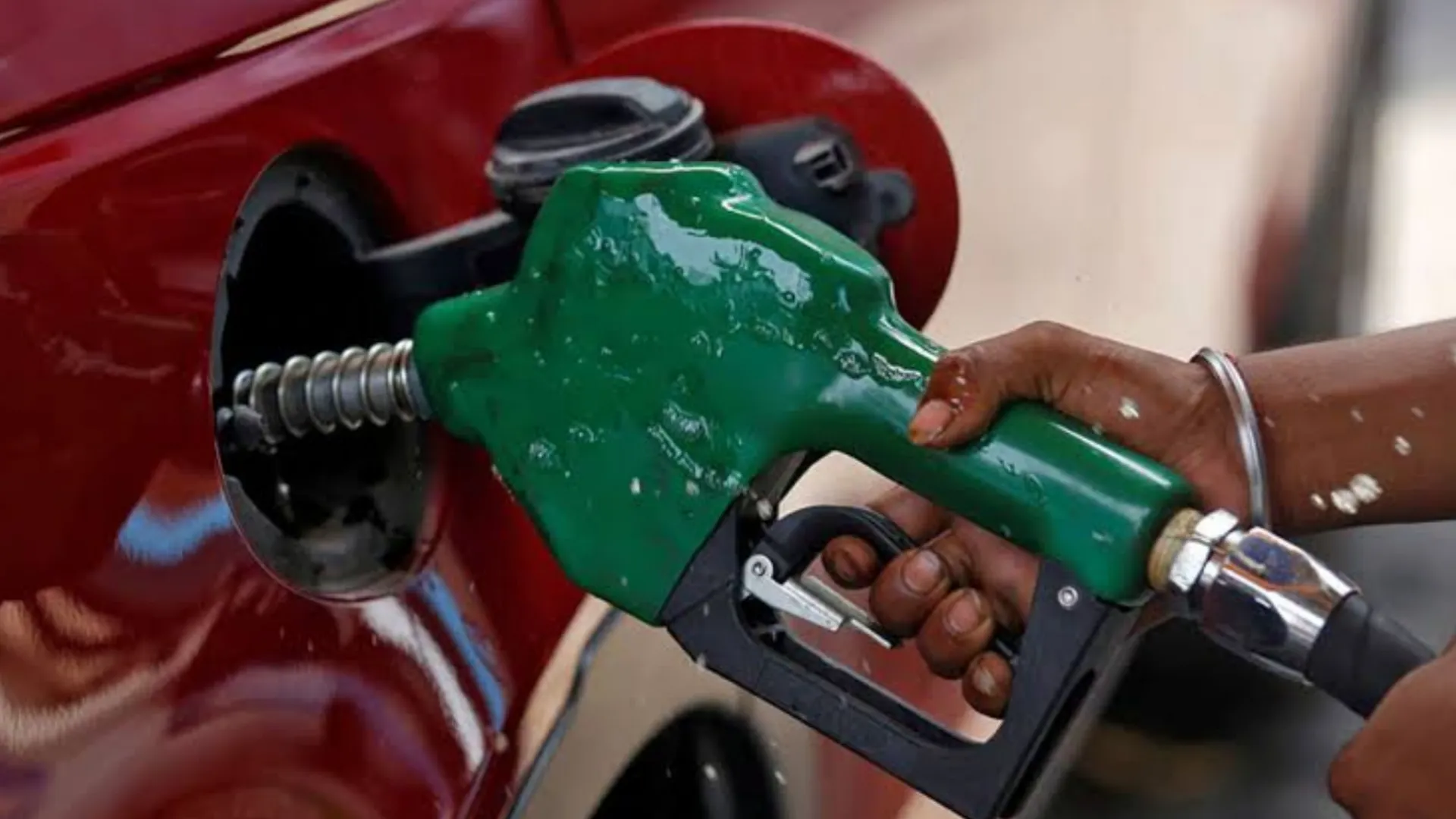
A notable shift in the landing cost of imported Premium Motor Spirit (PMS), commonly known as petrol, has been reported based on recent data from Nigeria’s downstream oil sector.
The development has renewed expectations that fuel prices could eventually ease nationwide following earlier increases.
The Major Energies Marketers Association of Nigeria (MEMAN), in its latest market update, indicated that the cost of importing petrol has fluctuated, with the current landing cost now around ₦1300 per litre. This has further shaped discussions around possible adjustments in pump prices.
Although import costs have recently begun to ease, many Nigerians are yet to experience any corresponding relief at filling stations across the country.
According to the latest energy market report released by the Major Energies Marketers Association of Nigeria, the landing cost of imported petrol has recorded a consistent drop in recent weeks.
Experts in the energy sector linked the decline to falling global crude oil prices and a more stable foreign exchange market, both of which play a major role in determining the cost of importing refined fuel into Nigeria.
Recent data also indicates that fuel marketers can now import petrol at considerably lower rates than in earlier months, when landing costs were above ₦900 per litre.
Experts note that the gap between landing costs and pump prices is mainly influenced by expenses such as logistics, transportation, depot charges, storage fees, and other operational costs involved in getting the product to end users.
Marketers further explain that ongoing market uncertainties, including foreign exchange volatility and supply chain-related expenses, continue to justify the current retail pricing levels.
Consequently, motorists and businesses expecting quick price reductions may need to wait longer before the recent decline in import costs is reflected at filling stations.
With the landing cost of imported petrol now dropping to below ₦800 per litre, fuel marketers and retailers are increasingly under pressure to adjust pump prices downward.
However, whether this decline eventually translates into cheaper fuel for Nigerians will depend on a range of factors, including movements in global crude oil prices, stability of the exchange rate, transportation and distribution expenses, as well as competition between imported products and locally refined fuel.
For the moment, motorists remain attentive as the ongoing competition between lower-cost imports and domestic refining continues to shape the direction of Nigeria’s fuel market.