The government of Uganda has announced Tuesday, May 12, 2026, as a public holiday to mark the swearing-in ceremony of President Yoweri Museveni, who recently secured a seventh term in office.
According to NTV Uganda, the day was declared work-free to enable citizens participate in activities surrounding the inauguration of the 81-year-old leader. Museveni reportedly won the January election with 7,946,772 votes, representing 71.65 per cent of valid ballots cast.
The announcement was also confirmed by Richard Todwong, secretary of the ruling National Resistance Movement, according to Nile Post.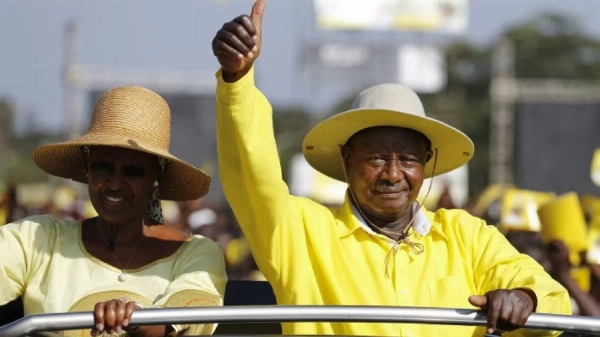
“We are here to announce a very important function where we shall be swearing in our President-elect. This has been on the national calendar, and Ugandans have been waiting for it,” Todwong said while commending preparations for the ceremony.
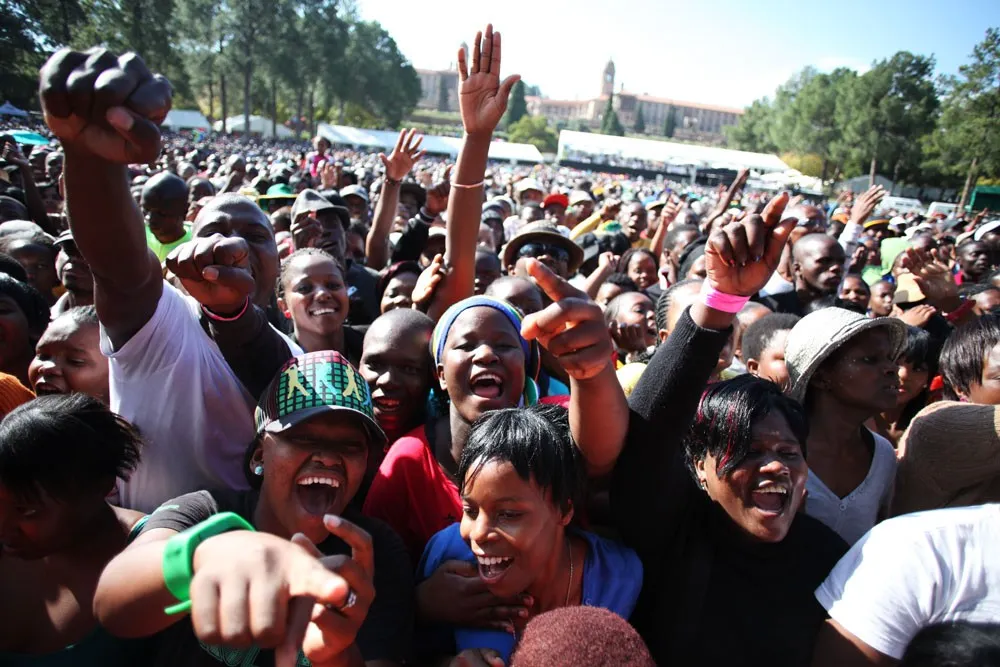
Reports indicate that about 40,000 guests are expected at the Kololo Independence Grounds for the inauguration. Among them are 35 heads of state, 30 diplomats, and representatives of liberation movements.
Uganda’s Minister for Presidency, Milly Babalanda, also urged citizens to hold nationwide prayers in mosques, Seventh-day Adventist churches, Anglican churches, and Catholic churches ahead of the event.
According to her, the prayers are meant to promote unity and seek divine guidance as the country begins another political term.
Preparations for the inauguration are said to be at advanced stages, with security, logistics, and protocol arrangements ongoing to accommodate both local and international visitors.
Concerns over economic impact
Despite the celebrations, some critics have argued that declaring a nationwide holiday for the inauguration could negatively affect Uganda’s economy, especially the informal sector.
Analysts noted that shutting down banks and major commercial centres in key cities may temporarily slow economic activities and affect an estimated 15 per cent of the country’s weekly commercial output.
Some commentators also accused the Ugandan administration of focusing too heavily on ceremonial displays at a time when citizens are facing inflation, economic hardship, and rising unemployment among young people.