Petroleum prices has taken another hike as major depot operators and filling stations increase their prices due to the continued surge in global crude prices.
At this time, May 18th, 2026, Brent Crude has crossed $110 per barrel, creating worries and tension across the global energy markets, increasing the pressure on fuel prices in the country.
According to data from Oilprice.com, Brent crude climbed to $110.7 per barrel on Sunday, May 17, marking a 1.44 percent rise.
West Texas Intermediate (WTI) was priced at $106.8 per barrel, while Murban crude traded at $106.7 per barrel, slightly below the previous day’s level.
The latest hike in crude prices has been linked to the raising geopolitical tensions around Strait of Hormuz, a major global oli transit.
Since the United States and Iran are yet to resolved their conflicts, the fear of crude supply disruptions gets further intensified and causing global oil prices to increase.
The recent surge in international crude oil prices has compelled depot operators in Nigeria to raise the cost of loading petrol in order to avoid operating at a loss.
Data obtained from PetroleumPriceNG shows that several major marketers and depot owners have already revised their ex-depot prices upward in response to the market pressure.
Findings indicate that Matric Warri has increased its petrol price to N1,295 per litre, while Bono now sells at N1,279 per litre. In the same development, RainOil Delta adjusted its rate to N1,315 per litre, and Ardova Plc (AP) raised its price to N1,278 per litre.
Market surveys further reveal that MRS retail outlets, one of the key distributors of petrol from the Dangote refinery, are currently selling PMS at about N1,320 per litre in parts of Lagos and Ogun States.
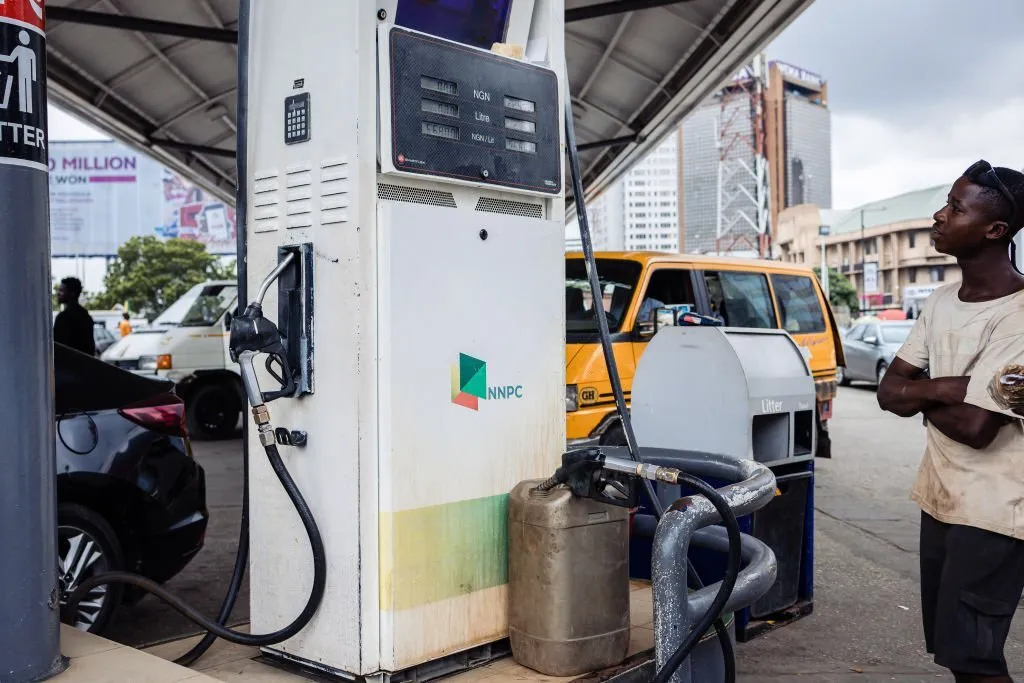
Other filling stations are also gradually reviewing their pump prices upward as marketers react to higher landing and depot costs.
This continued rise in fuel prices has sparked renewed concern among consumers, many of whom are already grappling with increasing living expenses across the country.
Energy analysts warn that the latest increase in petrol prices will add further strain on Nigerian households already coping with rising living costs.
They explained that when fuel becomes more expensive, transportation and logistics costs typically rise almost immediately, and these extra costs are usually passed down through the supply chain.
As a result, prices of food items, consumer goods, and basic services tend to increase, putting additional pressure on household budgets.