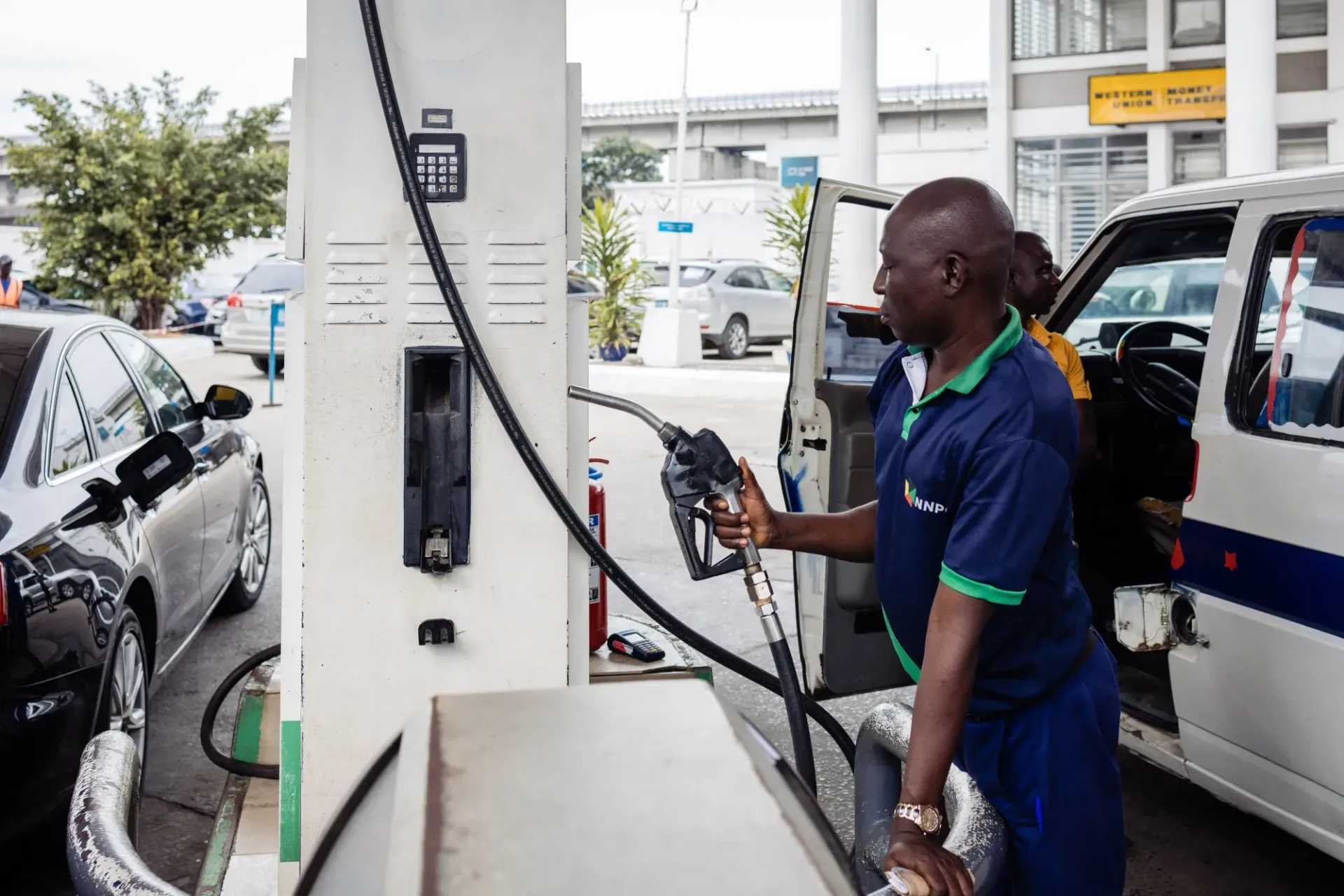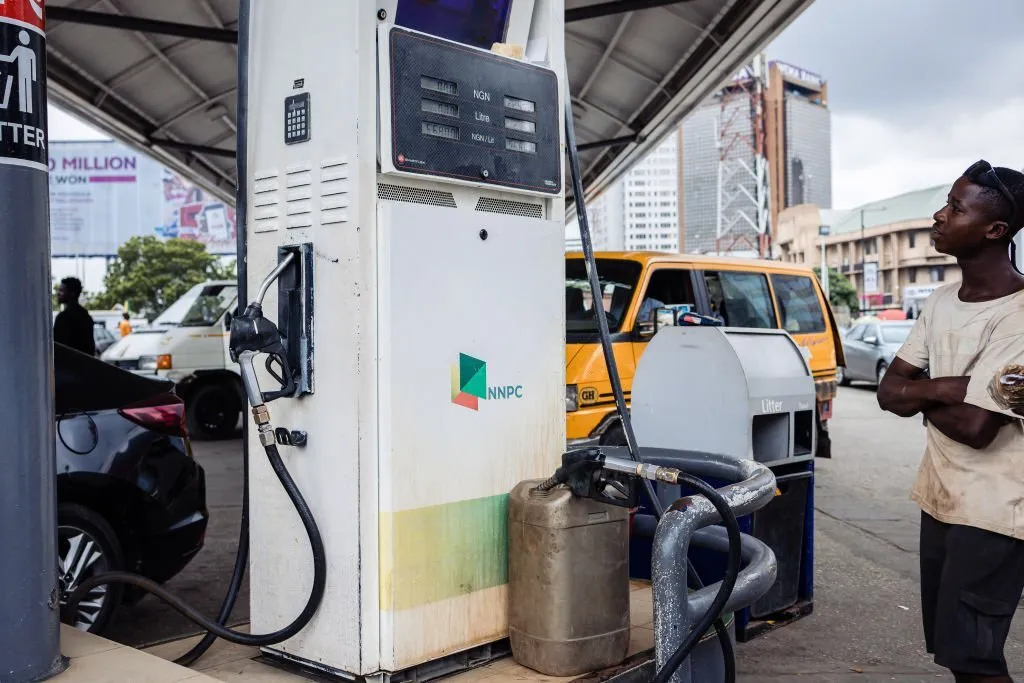
Motorists in Lagos and Abuja are beginning to see lower petrol prices at some NNPCL filling stations following a reduction in the cost of petrol supplied to marketers.
Selected Nigerian National Petroleum Company Limited (NNPCL) outlets in Lagos have reduced their pump price from N1,385 to N1,370 per litre, representing a N15 decrease.
In Abuja, some NNPCL stations have also adjusted their prices downward, with petrol now selling for N1,405 per litre instead of N1,430.
Dangote Refinery reduces petrol price
The latest adjustments followed a reduction in the petrol gantry price by Dangote Petroleum Refinery.
The refinery cut its ex-refinery price by N25, bringing the rate down from N1,350 to N1,325 per litre.
The lower supply price has provided room for marketers and retailers to reduce their pump prices, although the benefit has not been reflected uniformly at filling stations across the country.
Industry factors such as existing stock, transportation expenses and individual operating costs can influence how quickly retailers adjust their prices.
Petrol prices differ across Abuja
Despite the reductions at some NNPCL outlets, a market check showed that other stations were still selling petrol at higher rates.
Some NNPCL filling stations around the Kubwa Expressway, Airport Junction and Wuse Zones 4 and 5 were reportedly dispensing petrol at N1,395 per litre.
Other filling stations in the Federal Capital Territory also maintained varying prices. MRS, Ranoil, AA Rano and Empire Energy were reportedly selling petrol at prices ranging from N1,395 to N1,430 per litre.
The differences highlight the varying pump prices motorists continue to encounter depending on their location, the outlet they patronise and prevailing supply conditions.
Global oil prices remain a factor
The latest domestic price movement comes as international crude oil prices remain elevated.
Brent crude was trading at about $104 per barrel, while West Texas Intermediate stood at approximately $92 per barrel.
Changes in global crude prices, alongside domestic supply and distribution costs, could continue to influence petrol prices in Nigeria in the coming days.