Nigeria continues to produce far more cement than it consumes locally, yet the country remains among the costliest places in Africa to purchase the vital construction material.
The situation has renewed concerns about the affordability of housing and the rising cost of delivering infrastructure projects.
The nation’s cement market is largely controlled by Dangote Cement, BUA Cement and HBM Nigeria Plc (formerly Lafarge Africa). Combined, the three manufacturers have an installed production capacity estimated at between 60 and 65 million metric tonnes each year.
As additional manufacturing plants move toward completion, Nigeria’s total production capacity is projected to increase to almost 85 million metric tonnes in the years ahead.
Despite this output, annual local demand is estimated at only 25 to 30 million metric tonnes, creating a substantial surplus that is exported to neighbouring countries.
Dealers release new cement prices
Checks across the market indicate that cement prices have moderated slightly in certain areas after climbing above ₦13,000 per 50kg bag in some parts of the country earlier this year.
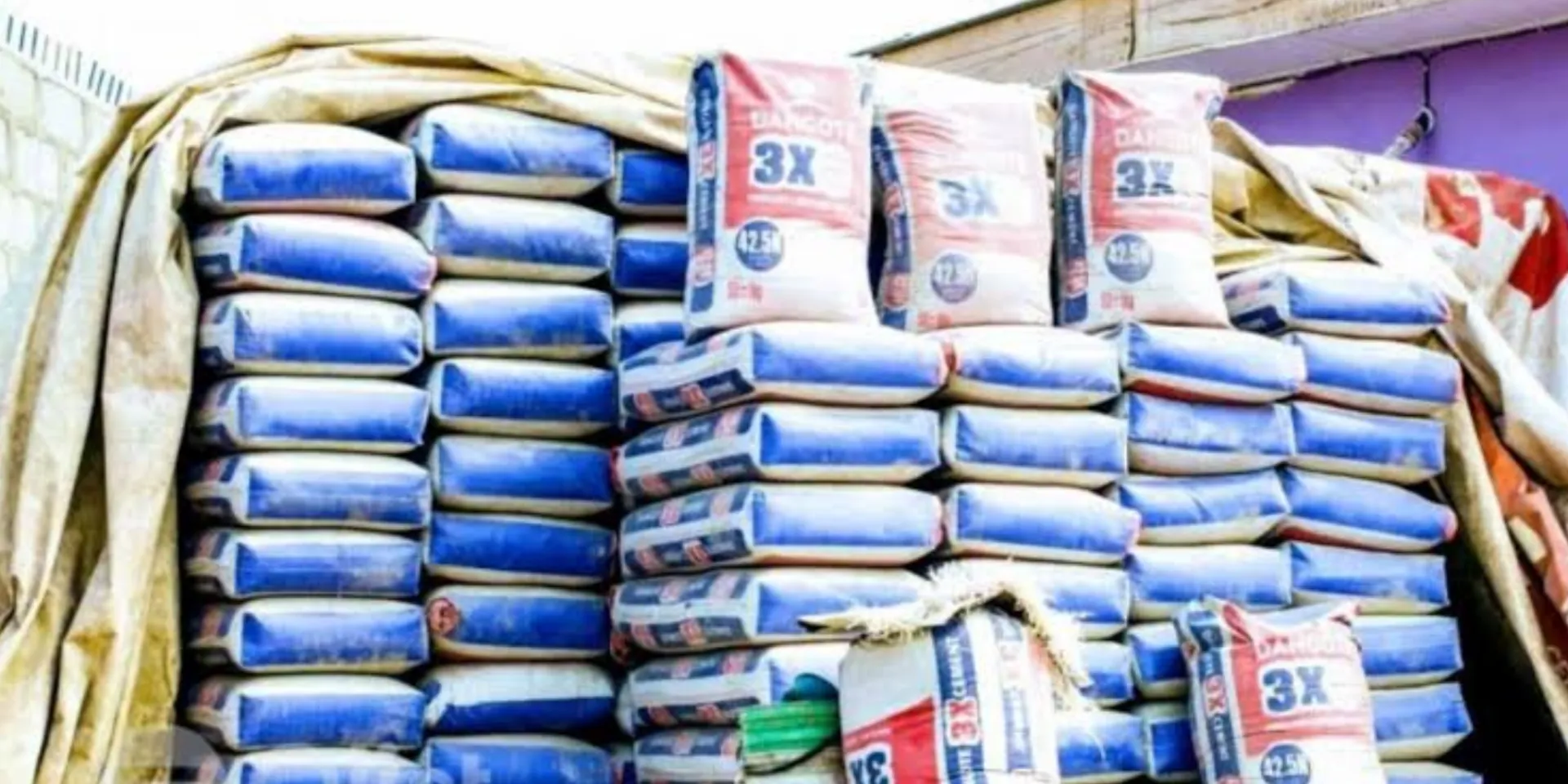
Dealers currently offer 50kg bags of Dangote, BUA and HBM cement at different prices, with costs varying according to location, transportation expenses and distributor mark-ups.
Even with the recent decline in some markets, cement in Nigeria remains considerably more expensive than in many other African countries.
The sustained high prices continue to place pressure on individuals building homes, contractors and property developers, despite the country’s significant production capacity.
Nigeria tops Africa’s cement price chart
Comparisons across the industry show that consumers in Nigeria pay substantially more for cement than buyers in several other African nations.
According to a report by The Guardian, a 50kg bag of cement in South Africa costs the equivalent of roughly ₦6,000 to ₦7,000. In Egypt, one of the world’s largest cement-producing countries, prices typically range from ₦4,000 to ₦5,000 per bag because of lower production costs and excess manufacturing capacity.
In Kenya, a 50kg bag generally sells for between ₦6,500 and ₦7,500, while the average price in Ghana falls within the ₦7,000 to ₦8,000 range.
These price differences have strengthened calls for policies that would make cement produced within Nigeria more affordable for local consumers.
Why cement remains expensive
Manufacturers maintain that producing cement in Nigeria involves substantial costs.
While key raw materials such as limestone are sourced domestically, manufacturers still rely on imported machinery, spare parts, packaging materials and industrial additives. The continued depreciation of the naira has significantly driven up the cost of these imports.
They also attribute rising production expenses to higher energy costs following the removal of the fuel subsidy, explaining that cement manufacturing depends heavily on gas, coal, diesel and alternative fuel sources.
Transportation remains another major contributor to the final retail price. Because many cement factories are located far from major markets, logistics account for an estimated 30 to 40 per cent of the amount consumers ultimately pay.
Manufacturers further argue that inflation, the cost of financing, plant maintenance expenses and sustained demand from housing developments and infrastructure projects have all contributed to keeping cement prices high.
FG pushes for price reduction
The increasing cost of cement has also drawn the attention of the Federal Government.
Minister of Works David Umahi recently appealed to cement manufacturers to lower their prices, noting that the persistent increase has made the execution of road and other infrastructure projects more expensive while forcing the government to adjust contract values.
Umahi revealed that formal discussions with cement manufacturers commenced on July 1, 2026, with the goal of securing lower cement prices for government infrastructure projects as well as private housing developments.