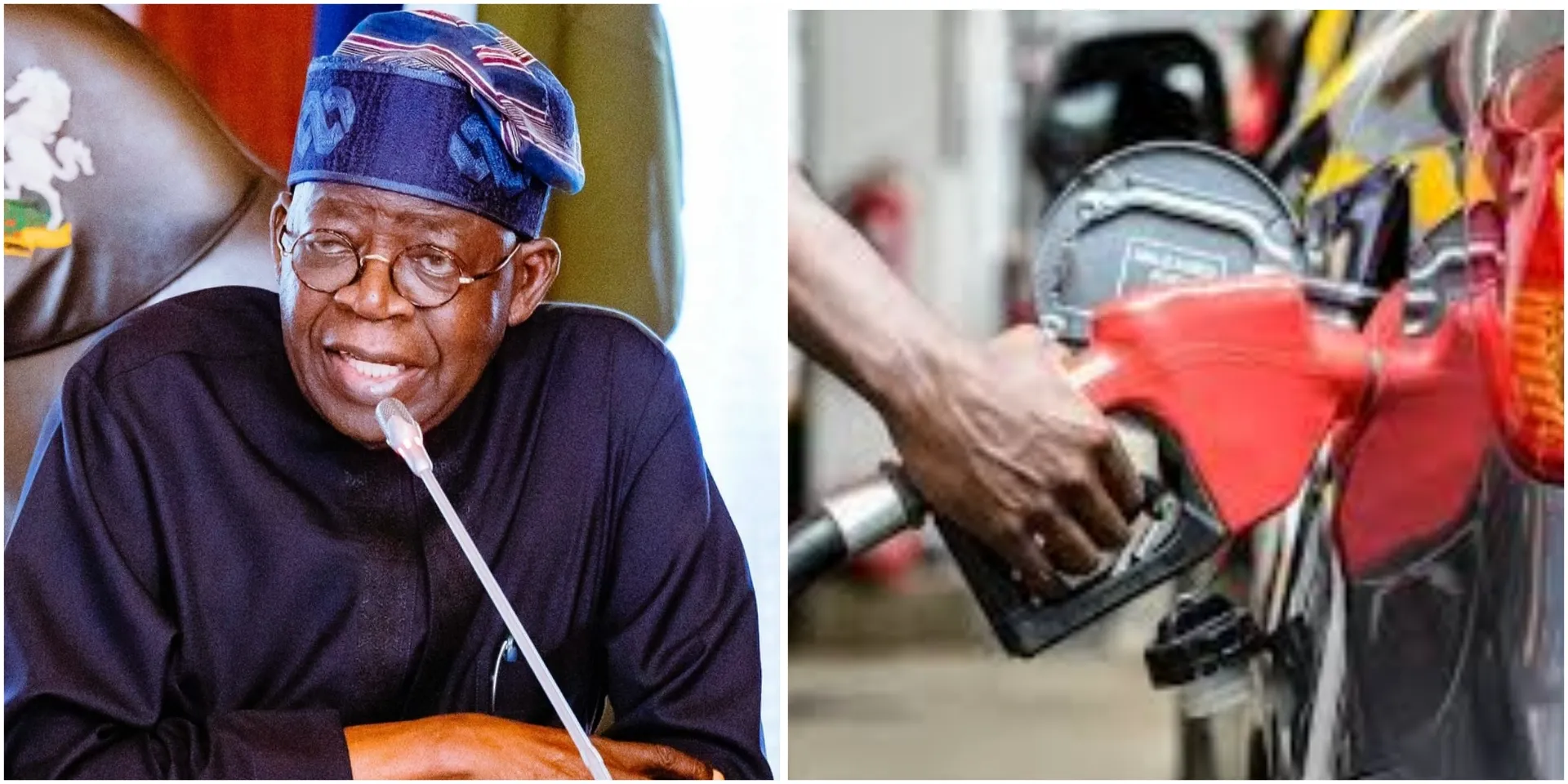
The federal government has stated that it will not step in to regulate petrol prices despite ongoing tensions in the Middle East that are affecting global oil markets.
Wale Edun, the Minister of Finance and Coordinating Minister of the Economy, disclosed this while speaking about the government’s economic policy direction.
According to him, the administration will continue to allow market forces determine the price of petroleum products, noting that government intervention would only happen if absolutely necessary.
Edun made the remarks on Wednesday, March 11, during an interview on Politics Today, a programme on Channels Television. He explained that the economic policies of President Bola Ahmed Tinubu are focused on market-driven reforms, especially regarding fuel pricing and foreign exchange management.
Edun said:
“Rather than now reverting back and taking a backward step, we will look at every other measure that can help the cost of living of Nigerians without resorting to non-market pricing.”
According to a report by The Nation, the minister also stressed that allowing petrol prices to reflect market realities is a major reform introduced by the current administration.
He added:
“It is the market price. That is what has been instilled by Mr President that was missing for so long, market pricing of petroleum products.”
Edun acknowledged that the ongoing crisis in the Middle East could still influence global oil prices. However, he said the government plans to cushion the impact on Nigerians through other economic policies instead of controlling pump prices.
One of the key measures mentioned is the expansion of the compressed natural gas (CNG) programme. Edun explained that the government has approved additional support to speed up the conversion of vehicles from petrol to CNG.
He said:
“One of the ways the President immediately announced was 100,000 extra CNG conversion kits to enable vehicles convert to CNG fuel, which is maybe 25 to 30% of the cost of petrol.”
The minister further noted that intervention in fuel pricing would only happen under extreme circumstances.
He stated:
“Normally, given the policies and philosophy of this government, it would always have to be a last resort.”
Edun also pointed to Nigeria’s increasing local refining capacity as a factor that could help shield the country from global energy shocks.
According to him, Nigeria consumes about 50 million litres of petrol daily, and local refineries are increasingly capable of meeting that demand.
He said:
“Our demand is about 50 million litres per day and the refiners say they can meet that demand, so we have a relatively strong position.”
Facilities such as the Dangote Refinery and other emerging refining projects are expected to play a major role in boosting local supply and reducing reliance on imported fuel.
This comes after NNPCL slashed the price of petrol in various fueling stations across Nigeria.