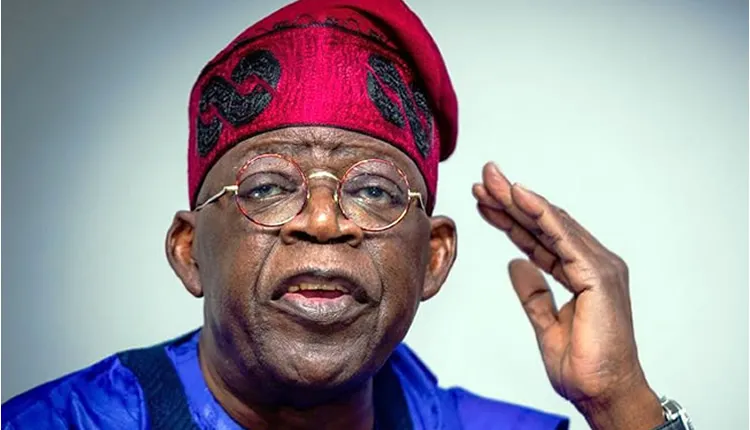
President Bola Ahmed Tinubu has directed the immediate nationwide rollout of 100,000 Compressed Natural Gas (CNG) conversion kits in a move aimed at easing the burden of rising petrol prices on Nigerians.
The decision comes as global oil markets remain unstable due to growing geopolitical tensions involving Iran, Israel, and the United States.
The situation has contributed to fluctuations in fuel prices worldwide, with Nigeria also feeling the impact.
Across several cities, motorists and commuters are already facing higher transportation costs.
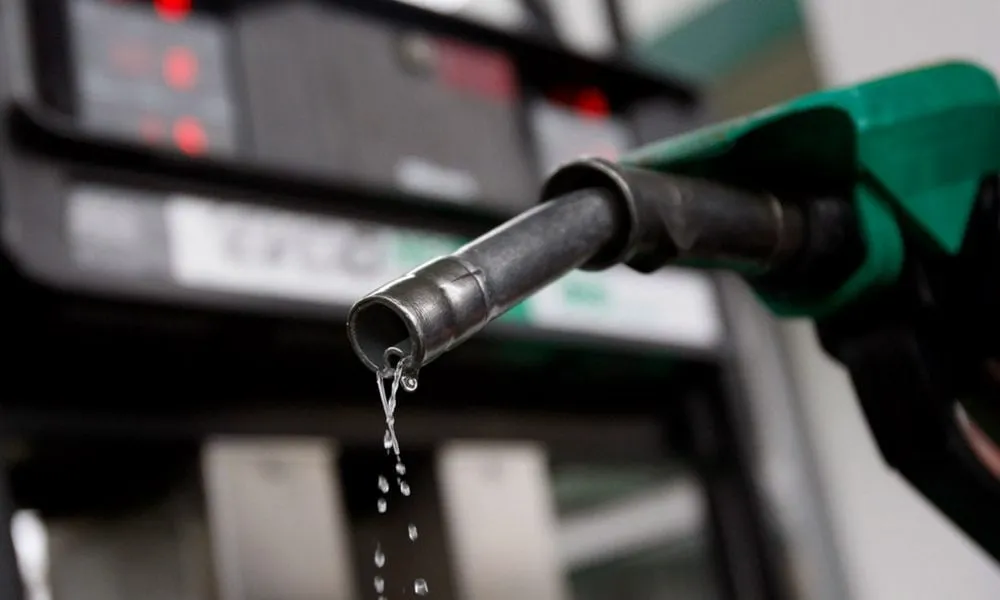
In Abuja, petrol currently sells between ₦1,260 and ₦1,280 per litre, depending on the station, a development that has pushed up transport fares and increased financial pressure on many residents.
The directive was revealed by Ismaeel Ahmed, the Executive Chairman of the Presidential Initiative on Compressed Natural Gas (Pi-CNG), after a meeting with the president at the State House in Abuja. Ahmed explained that the government is monitoring developments in the global oil market and exploring ways to reduce the effect on Nigerians.
“The President is keenly following developments in the Middle East and the rising cost of petrol and diesel,” Ahmed said.
“He asked what we are doing at Pi-CNG to rapidly expand access to gas nationwide so Nigerians can enjoy lower transportation costs.”
The conversion kits will allow vehicle owners to modify their engines to run on compressed natural gas instead of petrol, offering a cheaper fuel option for private drivers and commercial operators such as taxi drivers, bus operators, and tricycle riders.
Ahmed added that the distribution of the kits is expected to begin within two to three weeks, with conversion centres across the country preparing to scale up operations.
The government is also expanding infrastructure for gas-powered mobility, with about 77 CNG refuelling stations currently under development nationwide.
A kilogram of CNG is about 60-70 per cent less than premium motor spirit.
In addition, the Pi-CNG programme is working with the Rural Electrification Agency to introduce solar-powered charging stations that can support electric vehicles, particularly in off-grid communities.
Meanwhile, petrol prices continue to vary across the country. In Lagos, pump prices range from about ₦1,200 to ₦1,300 per litre, while some stations sell slightly lower.
In Port Harcourt, prices recently jumped from around ₦800 per litre to over ₦1,000 within days. In Kano, petrol has been observed selling for about ₦1,350 per litre at some outlets.
Industry experts say the ongoing price changes are mainly influenced by supply levels, distribution costs, and movements in the global crude oil market.