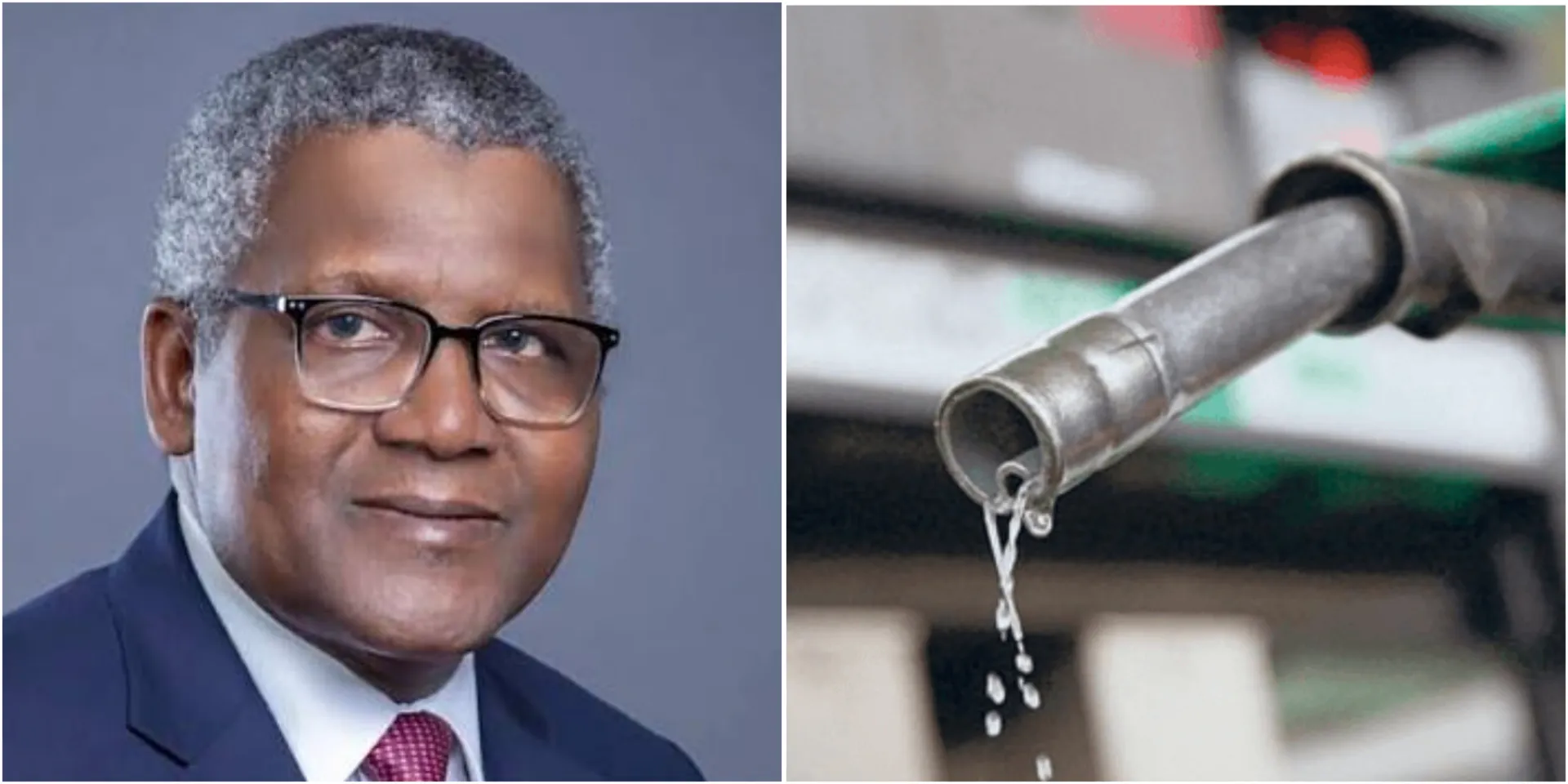
Fresh figures released by the Major Energies Marketers Association of Nigeria (MEMAN) have shown that the cost of bringing petrol into Nigeria has now climbed above the price charged by the Dangote Petroleum Refinery for locally refined fuel.
According to MEMAN’s latest market data, covering transactions up to July 29, the spot landed cost of imported Premium Motor Spirit stood at N1,223.32 per litre.
This places the import cost N8.32 higher than the Dangote Refinery’s gantry price of N1,215 per litre, meaning marketers now spend more importing petrol than purchasing refined products from the local refinery.
The Lekki-based refinery, which has a refining capacity of 650,000 barrels per day, also listed its coastal price at N1,195 per litre.
However, the gantry price is higher because it includes charges imposed by the Nigerian Midstream and Downstream Petroleum Regulatory Authority (NMDPRA).
Reason for the increase in import costs
MEMAN attributed the increase in import costs to two major developments: rising global crude oil prices and the continued weakness of the naira.
During the review period, Brent crude averaged $90 per barrel, while the naira traded at an average exchange rate of N1,367.03 to the dollar.
These market conditions significantly increased the cost of importing refined petroleum products into the country. The same trend also drove up the landing costs of other imported petroleum products.
The landed cost of diesel rose to N1,739.96 per litre, compared with its 30-day average of N1,427 per litre. Aviation fuel also increased to N1,616.43 per litre, up from a 30-day average of N1,421.10 per litre.
On the international market, European diesel traded at an average price of $1,246.54 per metric tonne.
Following the release of the latest figures, the Independent Petroleum Marketers Association of Nigeria (IPMAN) renewed its call for an end to petrol importation.
The association maintained that local refineries now have the capacity to satisfy domestic fuel demand. It argued that the continued issuance of import licences places unnecessary pressure on Nigeria’s foreign exchange reserves while leaving domestic refiners at a competitive disadvantage, Punch reports.
IPMAN further insisted that buying petrol from local refineries has become the more economical option and remains critical to ensuring long-term stability within Nigeria’s downstream petroleum sector.
Marketers unveil new petrol prices
Ex-depot petrol prices recorded mixed adjustments across key supply locations nationwide. In Lagos, AIPEC sold petrol at N1,216 per litre, while Ardova and several other marketers offered the product at prices ranging from N1,216 to N1,218 per litre.
In Port Harcourt, Aradel increased its depot price to N1,240 per litre. Meanwhile, Matrix, Sigmund and T.S.L. reduced their prices to between N1,224 and N1,225 per litre.
Data from Petroleumprice.ng also showed that depots in Calabar recorded price cuts, while prices in Warri moved in different directions depending on the depot.
At filling stations, motorists in Lagos and Ogun states currently purchase petrol at average prices of between N1,250 and N1,300 per litre.
Consumers in northern and other inland locations continue to pay higher prices because of the additional transportation costs involved in moving fuel from distribution centres.