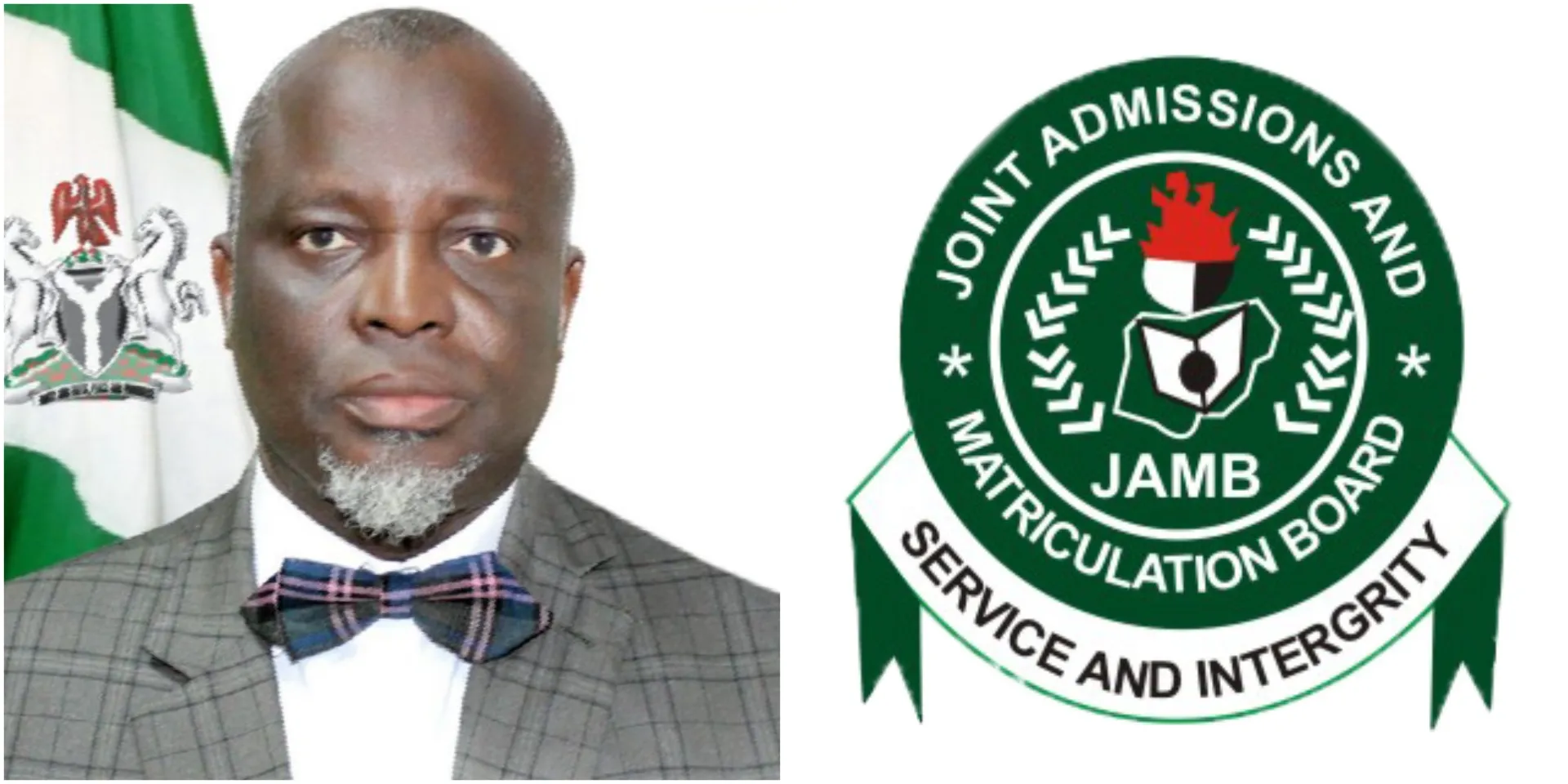
As preparations intensify for the 2026 Unified Tertiary Matriculation Examination (UTME), the registrar of the Joint Admissions and Matriculation Board (JAMB) has issued a strong warning to candidates to avoid any form of examination malpractice.
According to Ishaq Oloyede, candidates must remain focused, earn their scores through genuine effort, and steer clear of dishonest practices that could lead to legal consequences.
While reviewing cases involving offences such as impersonation and result falsification, he stressed that “there is no shortcut to success; the only path is through hard work.”
JAMB’s weekly bulletin released on Monday, April 6, 2026, revealed that more than five candidates who participated in the 2025 UTME have already been convicted for various examination-related offences.
Oloyede further explained that engaging in malpractice has become even more dangerous, as the Board now uses advanced technology capable of detecting and catching offenders in real time.
He added that JAMB will not consider any appeals for leniency, noting that candidates have been adequately warned.
Candidates have therefore been urged to concentrate on their studies and prepare properly instead of engaging in actions that could ruin their future. For the 2026 UTME, the Board stated that it has strengthened its systems to identify and prosecute offenders.
JAMB UTME Commencement
Meanwhile, JAMB announced that the main UTME will commence on Thursday, April 16, 2026.
Reports indicate that over 2.2 million candidates are expected to sit for the examination.
Ahead of the exam, the Board also cautioned candidates against falling for fraudsters who claim they can boost scores, describing such promises as false and criminal.
Premium Times quoted JAMB as saying:
“Candidates found engaging in these activities risk cancellation of registration or withdrawal of results.”
JAMB is responsible for conducting the UTME for prospective university students in Nigeria, as well as similar examinations for applicants seeking admission into monotechnics, polytechnics, and colleges of education.
Candidates are also required to have obtained the West African Senior School Certificate (WASSCE) conducted by West African Examinations Council or its equivalent, the Senior School Certificate Examination organised by National Examination Council.