Nigeria has emerged as one of the countries most affected by rising fuel costs following the escalation of the Middle East conflict involving Iran, the United States, and Israel on February 28, 2026.
The crisis, which entered its 19th day on Thursday, has triggered a sharp increase in global crude oil prices, significantly impacting domestic petrol costs.
According to data from Investinsight, Nigeria recorded one of the highest fuel price increases globally, with a surge of about 40 percent since the conflict began.
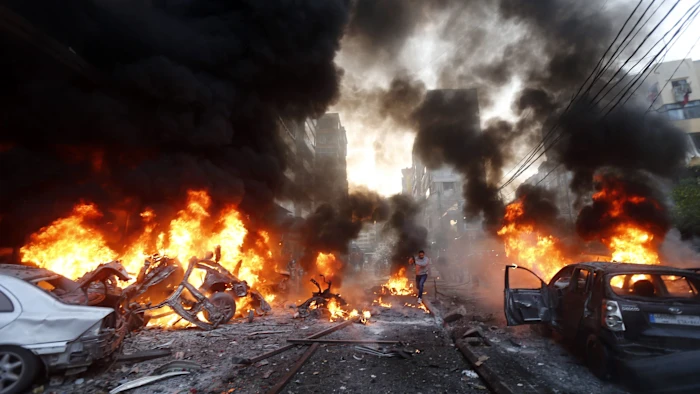
The ongoing tensions have disrupted trade routes in the Gulf region, particularly around the Strait of Hormuz, a key passage for global oil supply.
The ripple effects of the crisis have been felt across multiple economies, with countries such as Australia, the United States, Singapore, Germany, Spain, Canada, and China also experiencing fuel price hikes ranging between 10 and 17.2 percent within the same period.
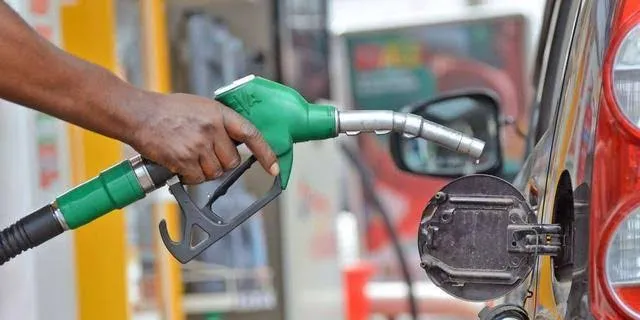
In Nigeria, the impact has been particularly severe. Petrol prices have climbed sharply over the past 19 days, rising from between N875 and N900 per litre to about N1,261 and N1,330 per litre in Abuja and surrounding areas. This reflects an increase of roughly 44 to 48 percent.
The surge in local fuel prices follows an upward adjustment by Dangote Refinery, which raised its gantry price of petrol to N1,175 per litre from N799 prior to the conflict.
The adjustment was driven by soaring crude oil prices, which have exceeded $100 per barrel amid disruptions to Middle Eastern supply.