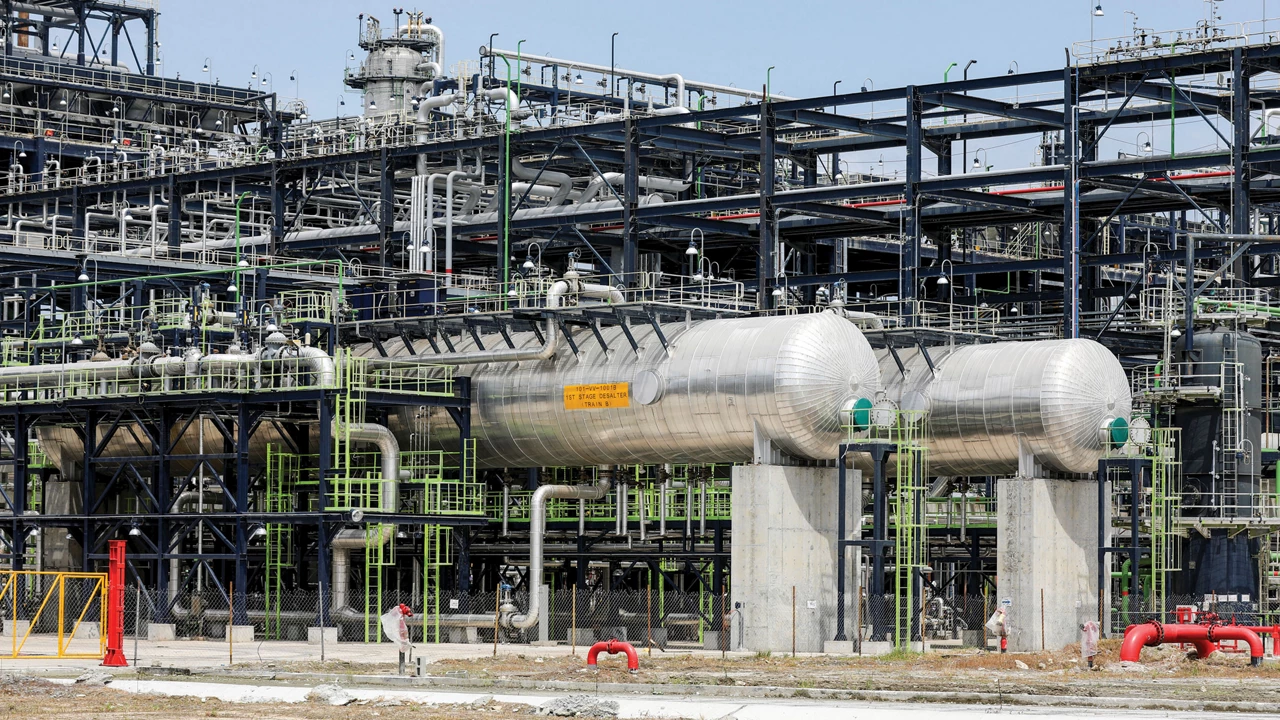
Nigeria’s effort to boost domestic fuel production has recorded another milestone as Waltersmith Petroman Oil Limited moves toward producing petrol after expanding its refinery in Imo State.
This development positions Waltersmith among the growing number of indigenous refiners expected to reduce the country’s dependence on imported fuel and introduce more competition into the downstream market, where the Dangote Refinery has remained dominant.
Capacity expansion at Ibigwe facility
On Monday, April 27, 2026, the company confirmed that its refinery capacity has been doubled from 5,000 barrels per day (bpd) to 10,000 bpd following the completion of its Phase 2 upgrade at its Ibigwe site in Imo State.
Introduction of new fuel products
With the expansion completed, Waltersmith is preparing to add Premium Motor Spirit (petrol) and Aviation Turbine Kerosene to its production line.
This marks a shift from its earlier output and allows the refinery to cater to both road transport and aviation sectors.
The company explained that the move supports Nigeria’s broader goal of transitioning from a crude oil export-based economy to one centred on local refining, value addition, and improved energy security.
Regulatory inspection underway
The progress was highlighted during an inspection visit by officials from the Nigerian Midstream and Downstream Petroleum Regulatory Authority and the Nigerian Content Development and Monitoring Board, who assessed the facility’s readiness ahead of the issuance of a Licence to Operate.
The visit was led by the Chief Executive of the NMDPRA, Saidu Mohammed, who commended the project, noting that it demonstrates Nigeria’s ability to handle large-scale investments in the midstream oil sector.
“What WalterSmith has accomplished is no small feat. This is a powerful demonstration that Nigerians have both the capability and responsibility to take charge of the midstream sector,” he said.
Expansion tied to industrial development goals
Chairman of the company, Abdulrazaq Isa, stated that the refinery upgrade represents more than increased output, describing it as part of a broader push toward sustainable industrial growth.
“We are moving Nigeria beyond an extractive oil economy to one focused on value creation,” Isa said.
Beyond refining activities, the company also disclosed plans to establish the Waltersmith Industrial and Innovation Park, a Free Trade Zone supported by gas-to-power infrastructure, designed to attract petrochemical and manufacturing investments in line with Nigeria’s “Decade of Gas” initiative.
Strategic partnerships support project
The success of the expansion has been supported by key partnerships, including a 30 per cent equity stake held by the NCDMB, alongside financial backing from the Africa Finance Corporation and the Bank of Industry.
With Waltersmith nearing full petrol production, observers believe Nigeria’s refining landscape could be entering a new phase, where increased local participation may influence fuel supply and pricing dynamics nationwide.