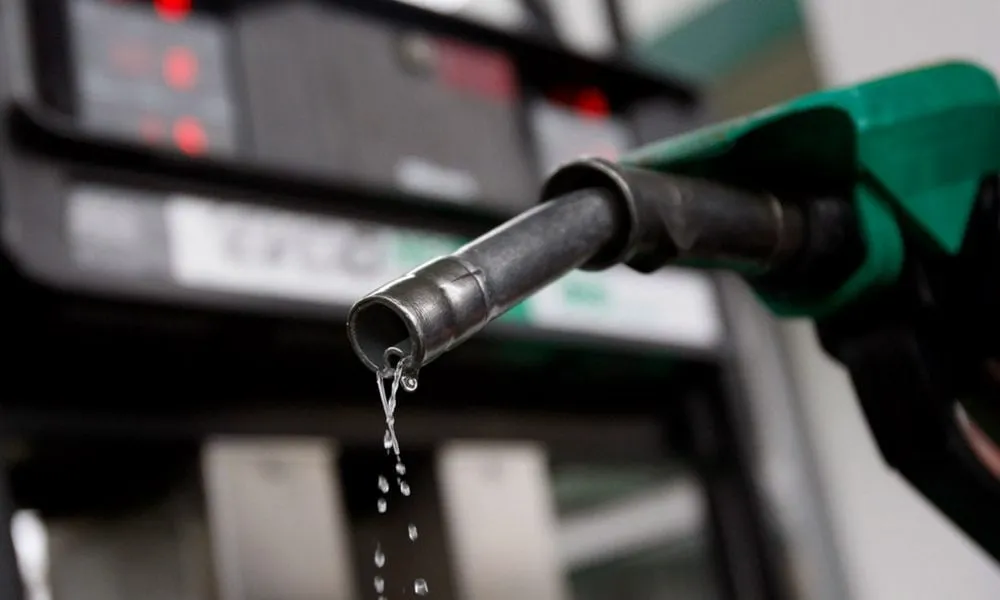
Nigeria’s cooking gas market is facing a deepening crisis as renewed shortages push prices significantly higher in Lagos, Abuja, and several other parts of the country.
The situation has compelled many families to revert to charcoal and firewood as alternatives to Liquefied Petroleum Gas (LPG), which has become increasingly unaffordable.
Industry stakeholders say the challenge persists even after fresh LPG consignments arrived in the country.
Retailers and marketers warn that unless swift government action is taken, consumers could face even steeper price increases in the coming weeks.
Across numerous neighbourhood gas outlets, the cost of cooking gas has climbed to as much as N2,400 per kilogramme, adding further pressure on households already grappling with rising living expenses and economic difficulties.
Retailers Struggle With Limited Supply
The Chairman of the Liquefied Petroleum Gas Retailers Association of Nigeria, Ayobami Olarinoye, revealed that retailers continue to contend with acute supply shortages despite a marginal improvement in product availability.
He noted that although supply conditions improved slightly, many gas plant operators either do not have enough stock or choose to sell directly to consumers, leaving retailers unable to replenish their inventories adequately.
He said: “The cooking gas situation remains almost the same. Supply improved slightly after a shipment arrived in late May, but prices remain very high,”
Olarinoye further disclosed that another LPG shipment landed on June 3. However, he alleged that the cargo was largely earmarked for the company’s own retail outlets rather than being made available to independent marketers.
He added that sourcing products has become increasingly challenging, as only a handful of gas plants currently have stock available for retailers.
His words: “Out of every 10 plants, only one or two have products to sell to retailers. Many prefer to sell directly to consumers,”
Gas Prices Climb Above N2,000 Per Kilogramme
Findings from a market survey indicated that while some filling stations continue to dispense cooking gas at between N1,650 and N1,700 per kilogramme, many neighbourhood retailers now charge anywhere from N2,200 to N2,400 per kilogramme, citing transportation and operational expenses as key factors behind the price disparity.
An Ibadan-based retailer, Opeyemi Olaire, attributed the increase largely to the rising cost of logistics.
He explained: “If I buy gas at N1,700 and spend heavily on transportation, there is no way I can sell cheaply,”
As LPG prices continue their upward trajectory, many Nigerian households have begun abandoning cooking gas in favour of traditional cooking fuels such as charcoal and firewood, which they consider more affordable under current economic conditions.
A Lagos resident, Desire Billy, expressed concern over the growing burden on consumers, saying LPG is gradually becoming out of reach for ordinary families.
“It has gotten to the point where you buy gas and avoid cooking foods that consume too much energy. Coal pots are gradually returning to kitchens,” she said.
Residents in Ilorin, Kwara State, also reported that the escalating cost of cooking gas has forced them to completely embrace charcoal as their primary cooking fuel.