Petrol prices have started easing across major depots in Nigeria as private depot owners and marketers adjust their rates downward, following a decline in global crude oil prices linked to a ceasefire agreement between the United States and Iran.
The reduction in ex-depot prices (the cost at which fuel is sold to marketers before reaching filling stations) has brought some relief to the downstream sector and paused any immediate price hikes at retail outlets.
At the start of the week on April 7, depot prices were relatively high across key cities. Lagos recorded an average of N1,225 per litre, while Port Harcourt stood at N1,235 per litre.
Prices were also around N1,242 in Warri and N1,240 in Calabar.
However, by the end of the week, prices had dropped below N1,230 per litre nationwide. In Lagos, depots such as Aiteo, Nipco, and A.A. Rano sold petrol between N1,208 and N1,210 per litre.
In Port Harcourt, Sigmund and Bulk Strategic adjusted their rates to between N1,223 and N1,225 per litre.
Similarly, in Warri, Matrix, Danmarna, and A.Y.M. Shafa priced petrol between N1,234 and N1,235 per litre, while in Calabar, Wabeco, Sobaz, and Soroman sold at about N1,223 per litre.
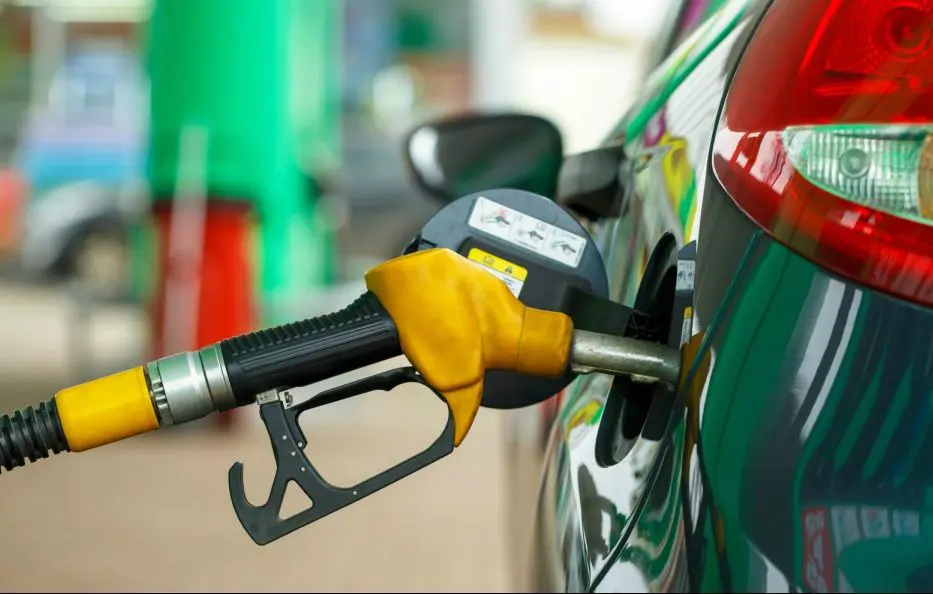
At the retail level, the impact is already noticeable, with some filling stations slightly reducing pump prices.
According to Legit.ng, both MRS and NNPC outlets were observed selling petrol at around N1,245 per litre.
However, during the week, reports indicated that the Dangote Refinery briefly raised its petrol price by N75 to N1,275 before reversing it to N1,200. However, the refinery later denied implementing any increase.
An industry official noted that pricing decisions are largely driven by global crude oil benchmarks and prevailing market conditions, stating:
“The adjustment of prices is in line with global market trends. External factors, including tensions in the Middle East, directly impact refined product pricing.”