The Central Bank of Nigeria has introduced tougher Bank Verification Number (BVN) regulations set to take effect from May 1, 2026, as part of efforts to tackle identity fraud, improve monitoring of suspicious transactions, and strengthen trust in Nigeria’s fast-growing digital banking space.
A major highlight of the new framework is the introduction of a temporary watchlist system.
Under this rule, banks are required to flag any BVN linked to questionable transactions for up to 24 hours while reaching out to the account holder for verification.
As stated in the directive:
“A BVN may remain on this temporary watchlist for a maximum period of 24 hours, during which the BVN owner shall be contacted,” the CBN circular states.
The approach is designed to allow swift action without unnecessarily freezing accounts or disrupting legitimate users, a move analysts say will reduce wrongful restrictions while still curbing fraudulent activities.
The apex bank also introduced stricter conditions for enrolment and updates. BVN registration is now limited to individuals aged 18 and above, while changes to phone numbers linked to a BVN can only be made once.
The directive reads:
“Enrolment for BVN is restricted to individuals who have attained the age of 18 years and above,” and “Amendments to phone numbers linked to a BVN shall be allowed only once.”
Access to the BVN database remains restricted to licensed financial institutions, with the CBN retaining authority to grant exceptions where necessary.
These measures are aimed at closing loopholes often exploited through fraudulent SIM swaps and proxy registrations.
Recent data from the Nigeria Inter-Bank Settlement System shows a significant drop in digital payment fraud losses, which declined by 51% to ₦25.85 billion in 2025 from ₦52.26 billion in 2024. Reported fraud cases also fell sharply over the years.
Speaking on the progress, CBN Deputy Governor Phillip Ikeazor credited the integration of BVN with NIN, stating:
“Enhanced identity verification… is steadily closing gaps previously exploited by criminals.”
BVN adoption has continued to rise, reaching 67.8 million accounts by December 2025. The system now plays a central role in banking services, including account opening, loans, and digital transactions.
In a further expansion, the CBN has launched the Non-Resident BVN (NRBVN) to enable Nigerians in the diaspora to enrol remotely.
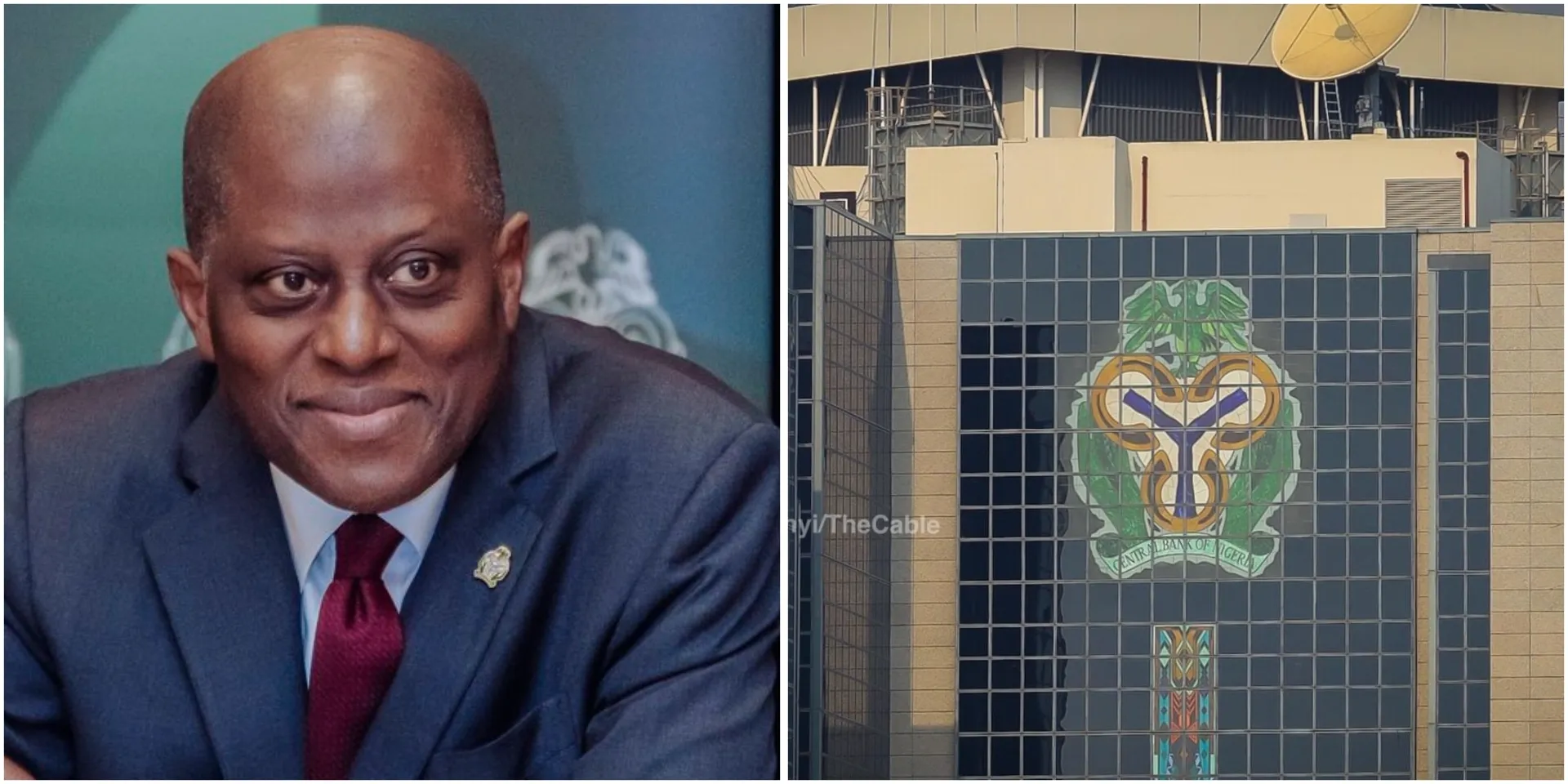
Governor Olayemi Cardoso expressed optimism about the initiative, saying:
“With the introduction of NRBVN… we are optimistic about achieving our ambitious target.”
Industry stakeholders have reacted positively to the changes.
President of the Bank Customers Association of Nigeria, Uju Ogubunka, noted that the temporary watchlist improves responsiveness without unfairly penalising innocent customers.
Overall, the CBN maintains that the updated rules strike a balance between tighter security controls and continued access to financial services for millions of Nigerians both locally and abroad.