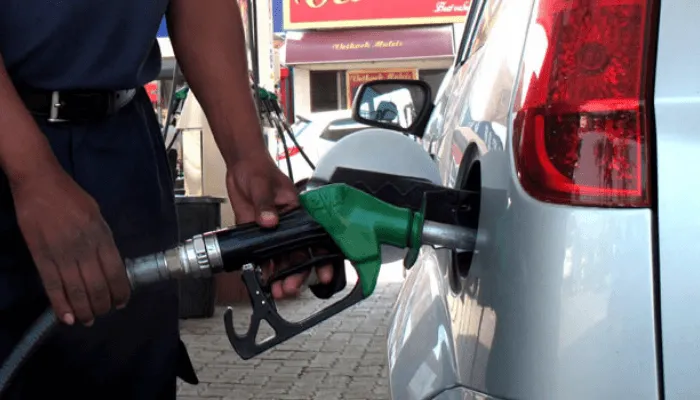
Petrol prices at major depots across Nigeria have recorded a sharp increase as operators respond to disruptions in the global oil market linked to the growing tensions involving Israel, the United States and Iran.
Energy analysts say uncertainty surrounding the Strait of Hormuz has heightened instability in the international oil market.
The vital maritime route, which handles a large share of the world’s crude oil shipments, has reportedly been affected by the rising conflict.
As a result, thousands of vessels have been delayed, raising concerns about possible interruptions to global supply.
The situation pushed crude oil prices upward worldwide, with the effects quickly spreading to Nigeria’s downstream petroleum sector.
Over the weekend, crude prices briefly climbed above the $100 per barrel mark, sending shockwaves through global energy markets.
Although the United States government, under President Donald Trump, stated that measures were being taken to ensure safe shipping activities around the Strait of Hormuz, traders remained cautious as geopolitical tensions continued.
However, the market saw some relief on Monday, March 9, 2026, when oil prices dropped noticeably.
Brent crude declined by nearly 30 percent, settling around $93.27 per barrel after signs emerged that the conflict might ease.
Amid the global fluctuations, the Dangote Refinery adjusted its ex-depot petrol prices, reportedly implementing two increases within one week as it reacted to changes in the international oil market.
The development has created renewed pressure in Nigeria’s fuel market, with pump prices at filling stations in some areas approaching N1,200 per litre.
Across the country, depot prices have risen by as much as 30 percent.
According to data from PetroleumPriceNG, the latest ex-depot prices include:
- Dangote Refinery at N1,175 per litre
- Pinnacle Oil and Sahara Energy at N1,200 per litre
- Tech Oil at N1,180 per litre.
- Integrated Oil at N1,190 per litre.
The increase has already translated into higher pump prices and rising transportation costs nationwide.
Financial analyst Osas Igho noted that crude oil prices are strongly influenced by geopolitical developments, adding that prolonged conflict in the Middle East could place further pressure on global oil production and prices.
He also pointed to attacks on oil infrastructure in countries such as Saudi Arabia and Qatar, which have disrupted supply chains and contributed to the price surge.
Despite the current rise, some experts believe prices could stabilise soon.
Energy policy analyst Adeola Yusuf said the recent drop in Brent crude may eventually bring relief if the downward trend continues.
For now, however, Nigerians are facing the immediate impact of rising fuel prices, which are also driving up transportation and general living costs across the country.